A Home That Hides a Little
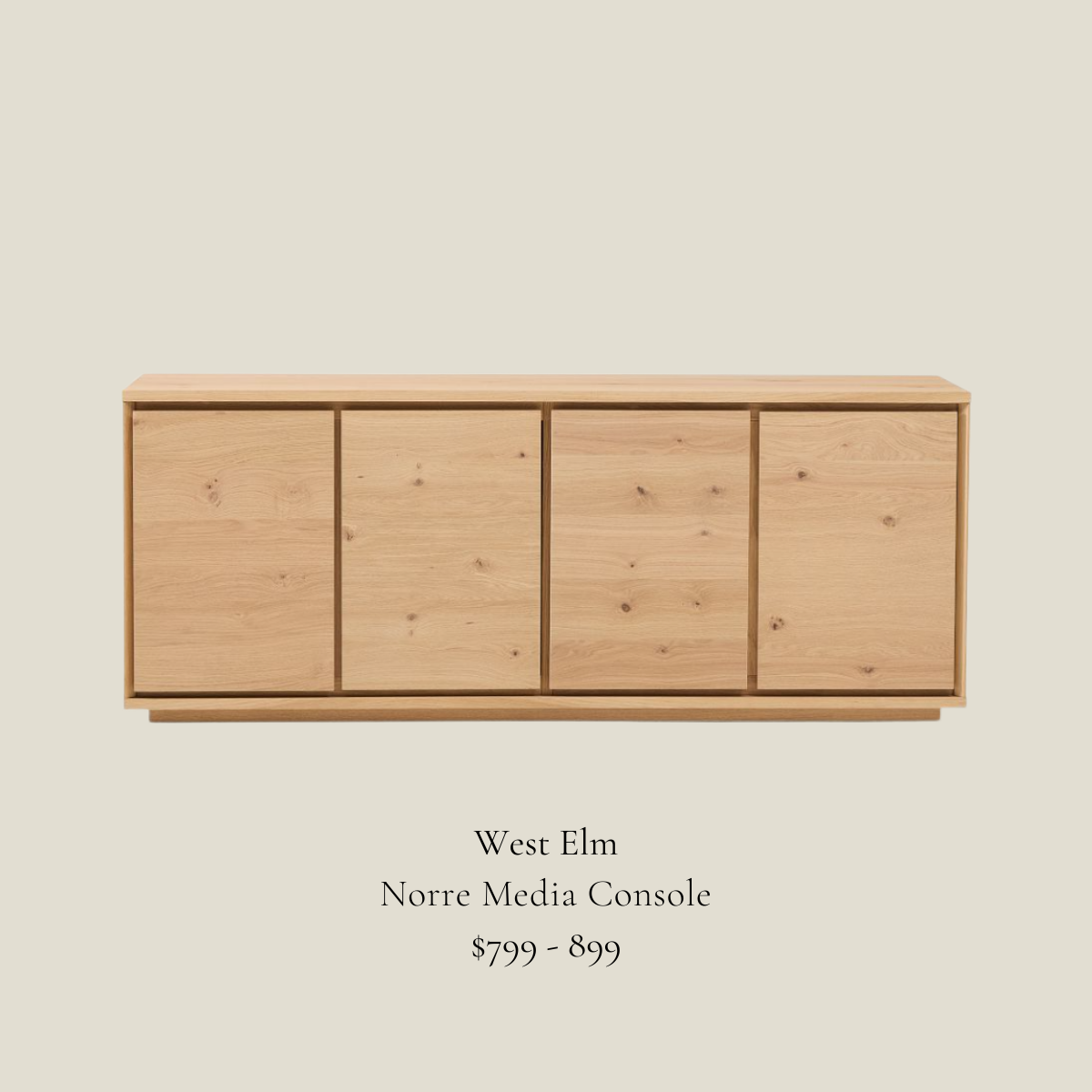
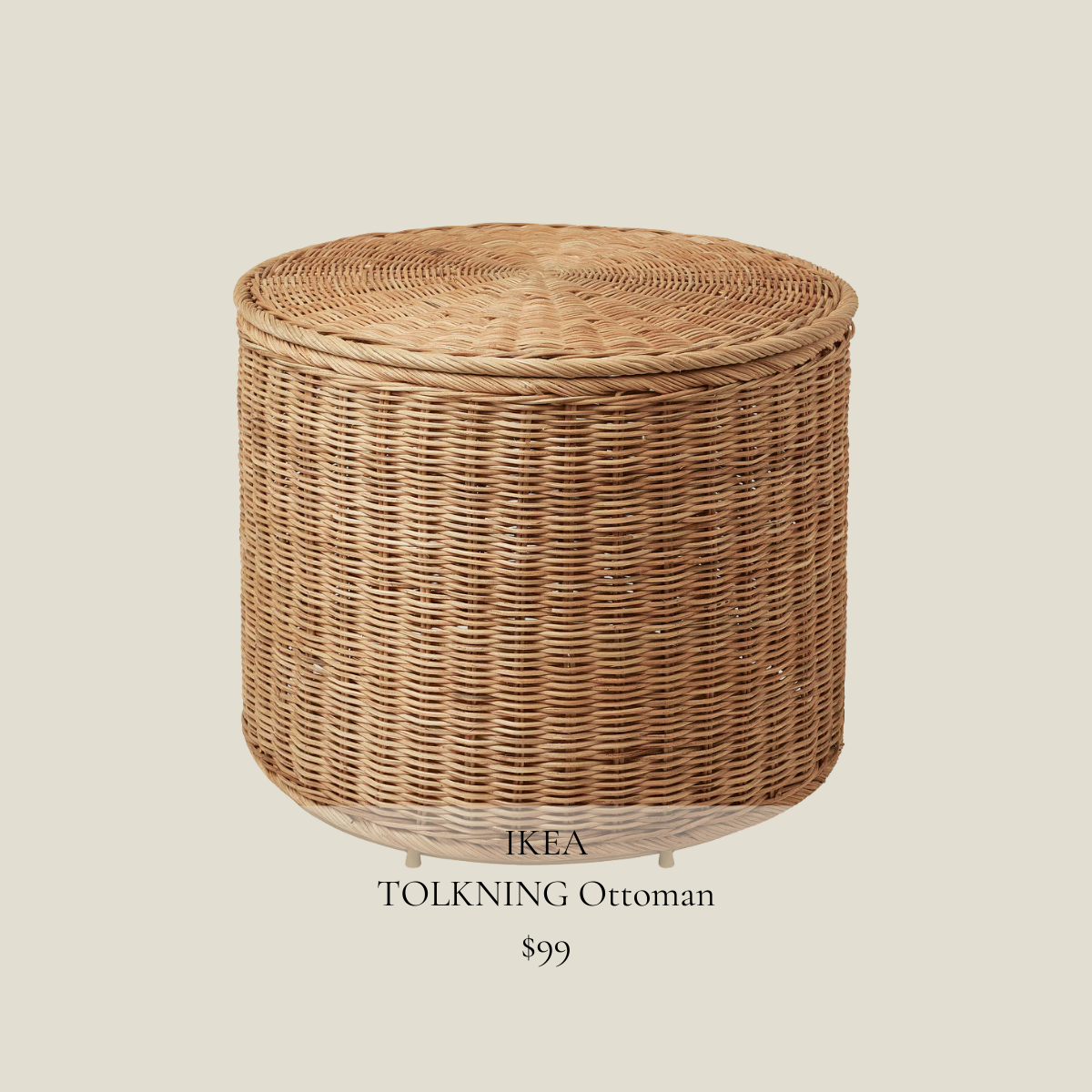
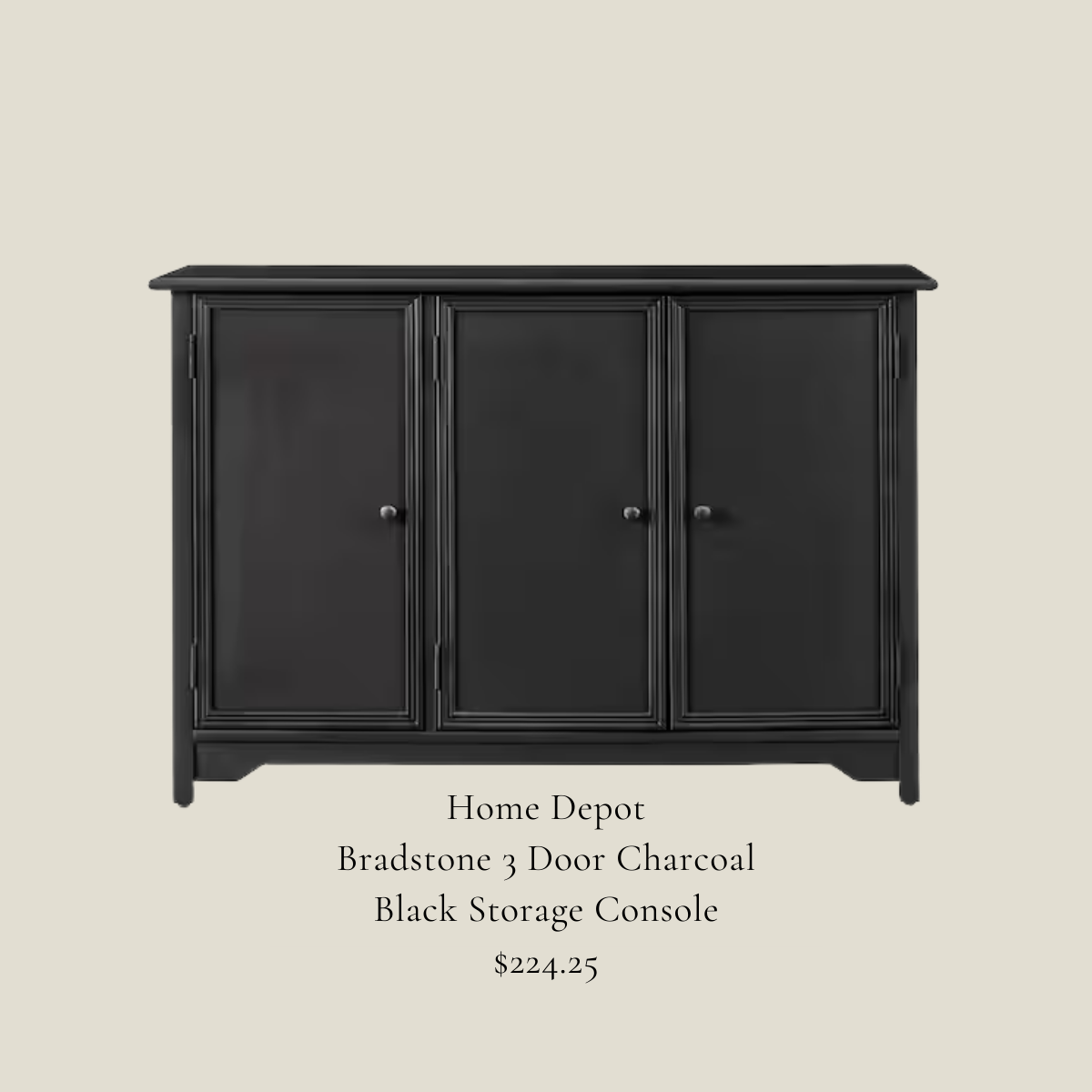
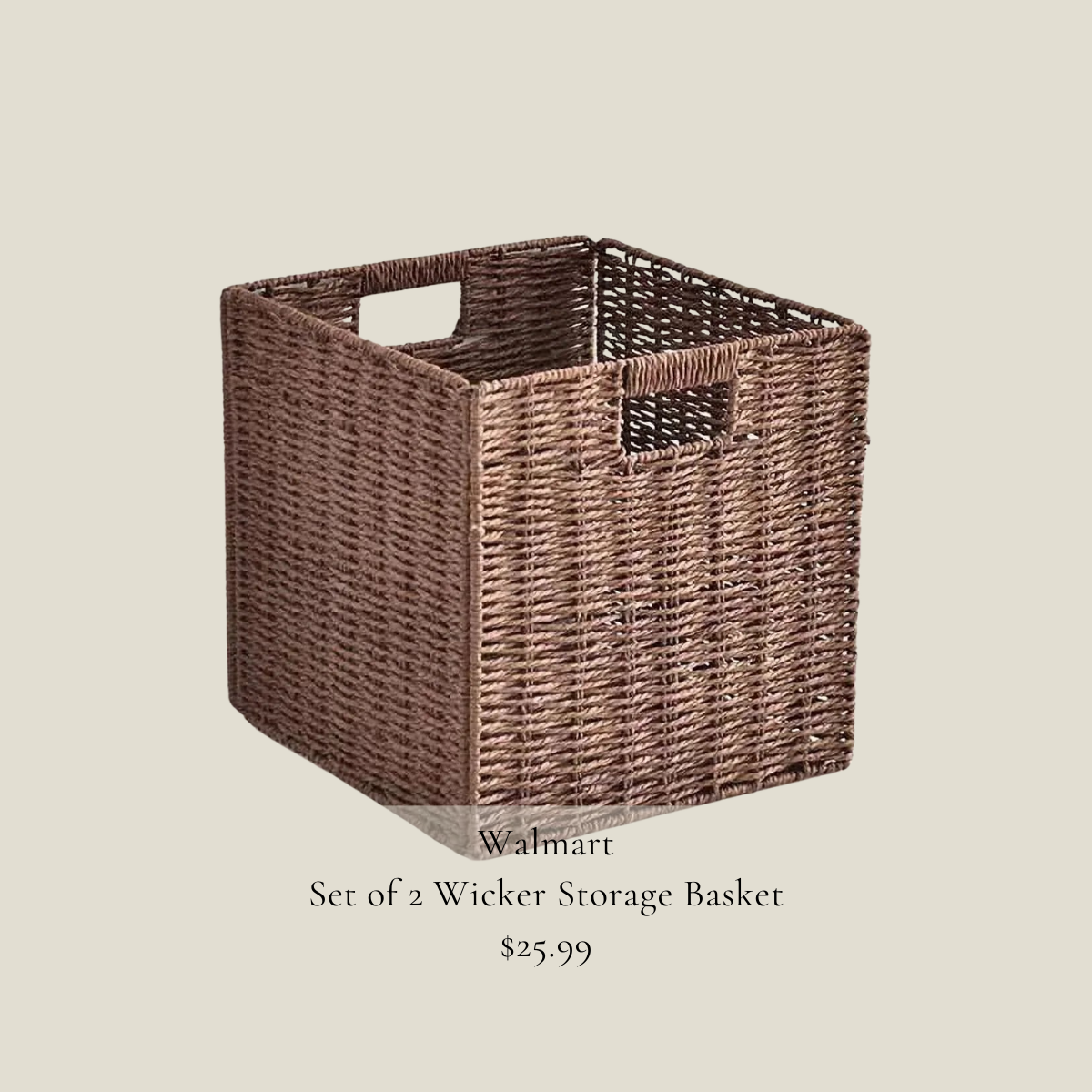
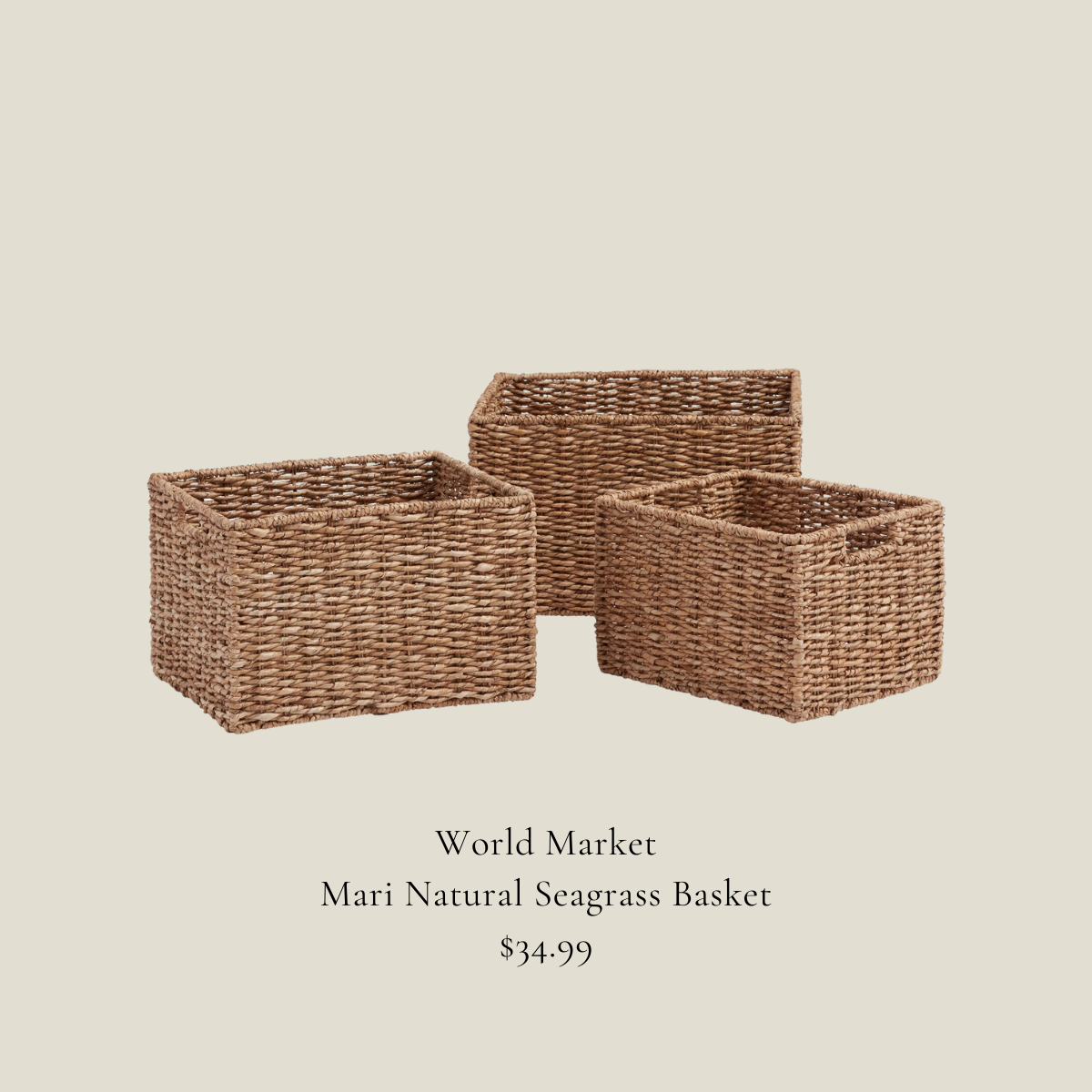
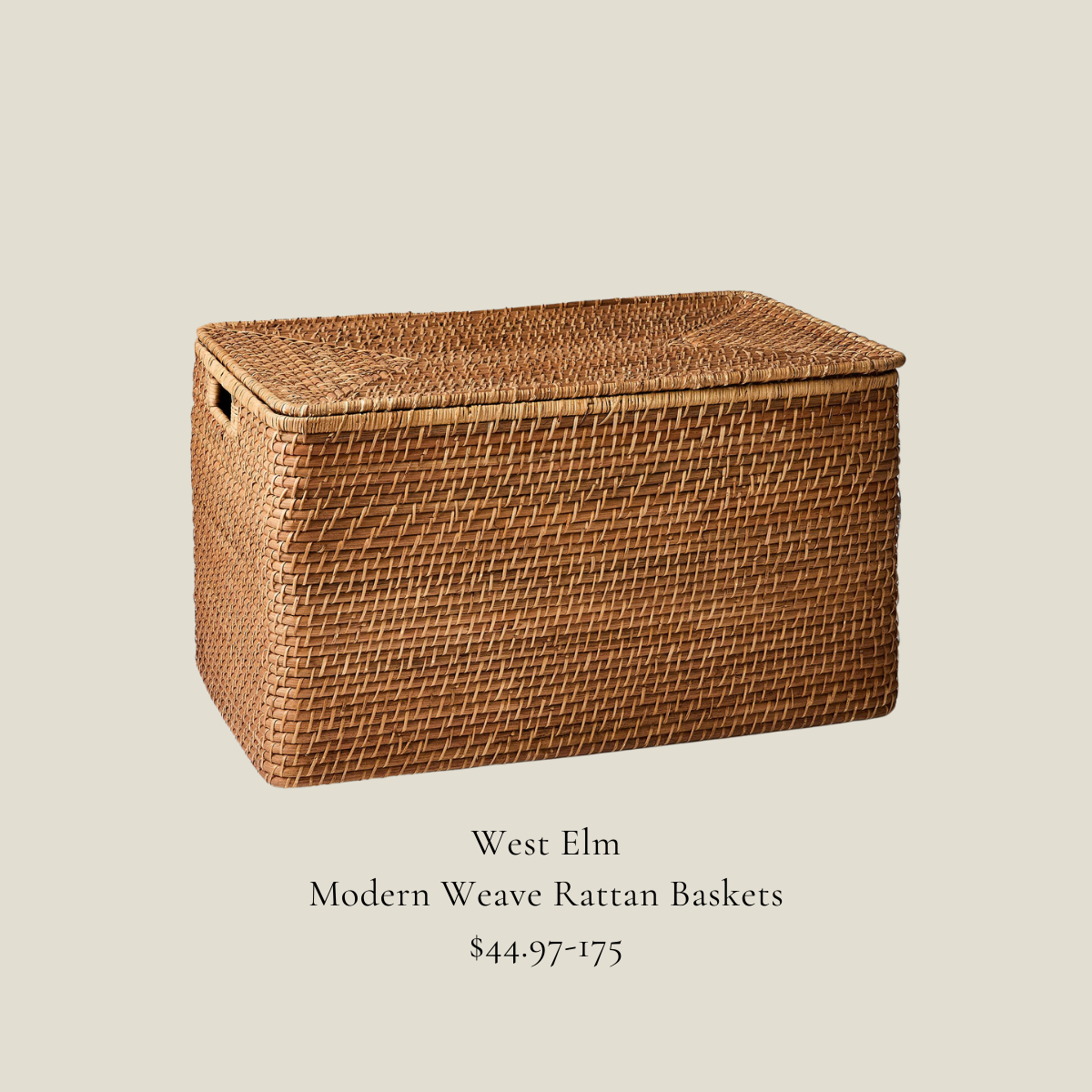
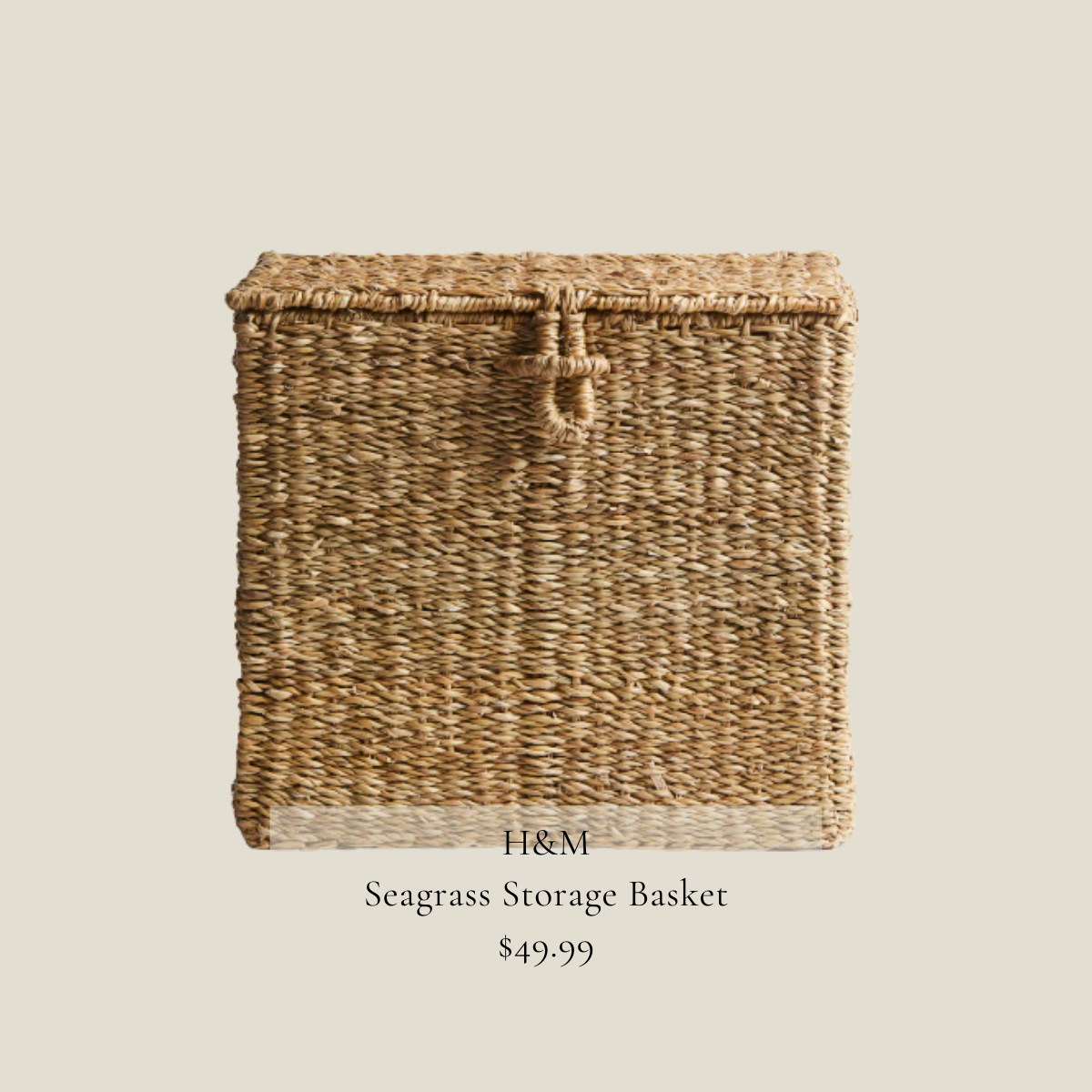
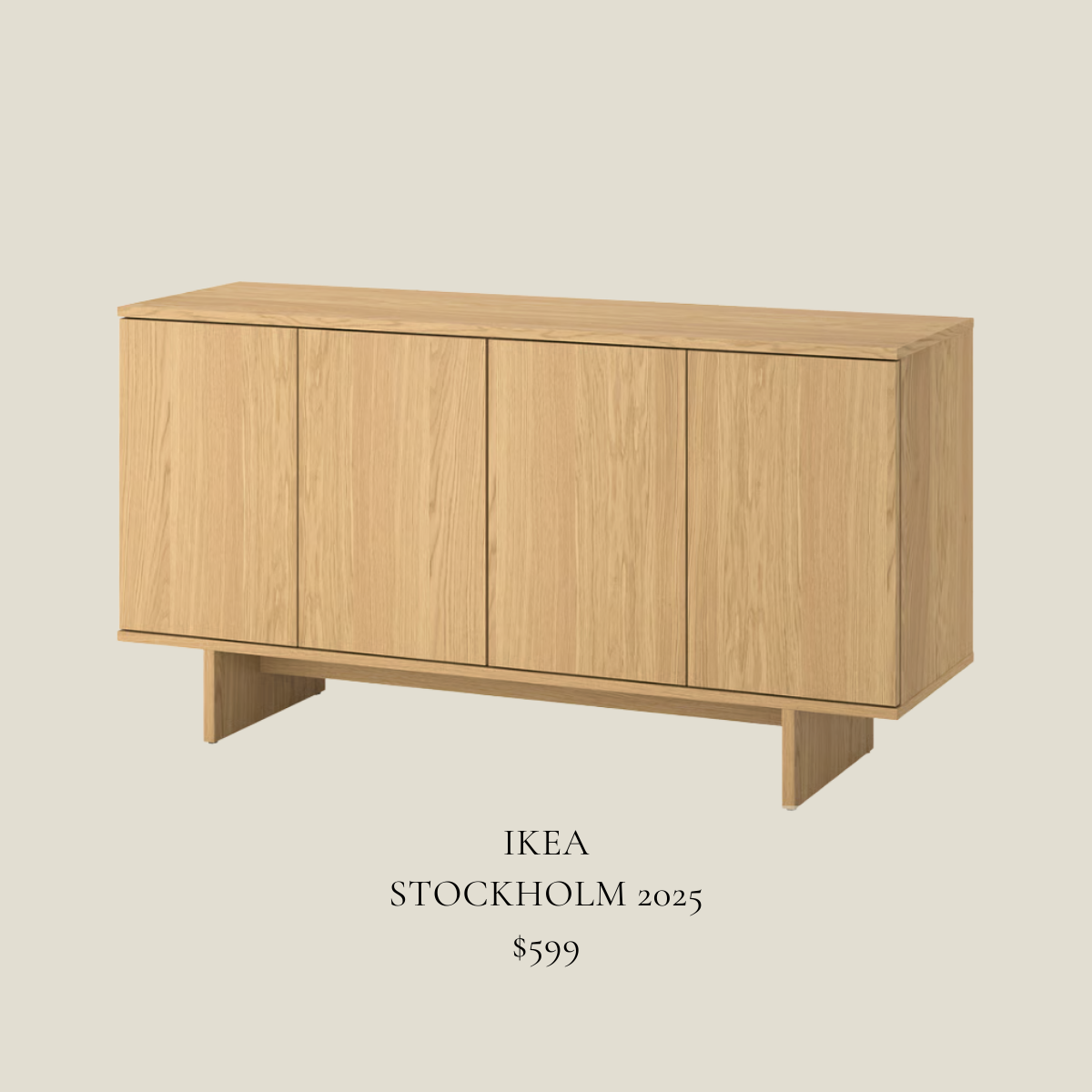
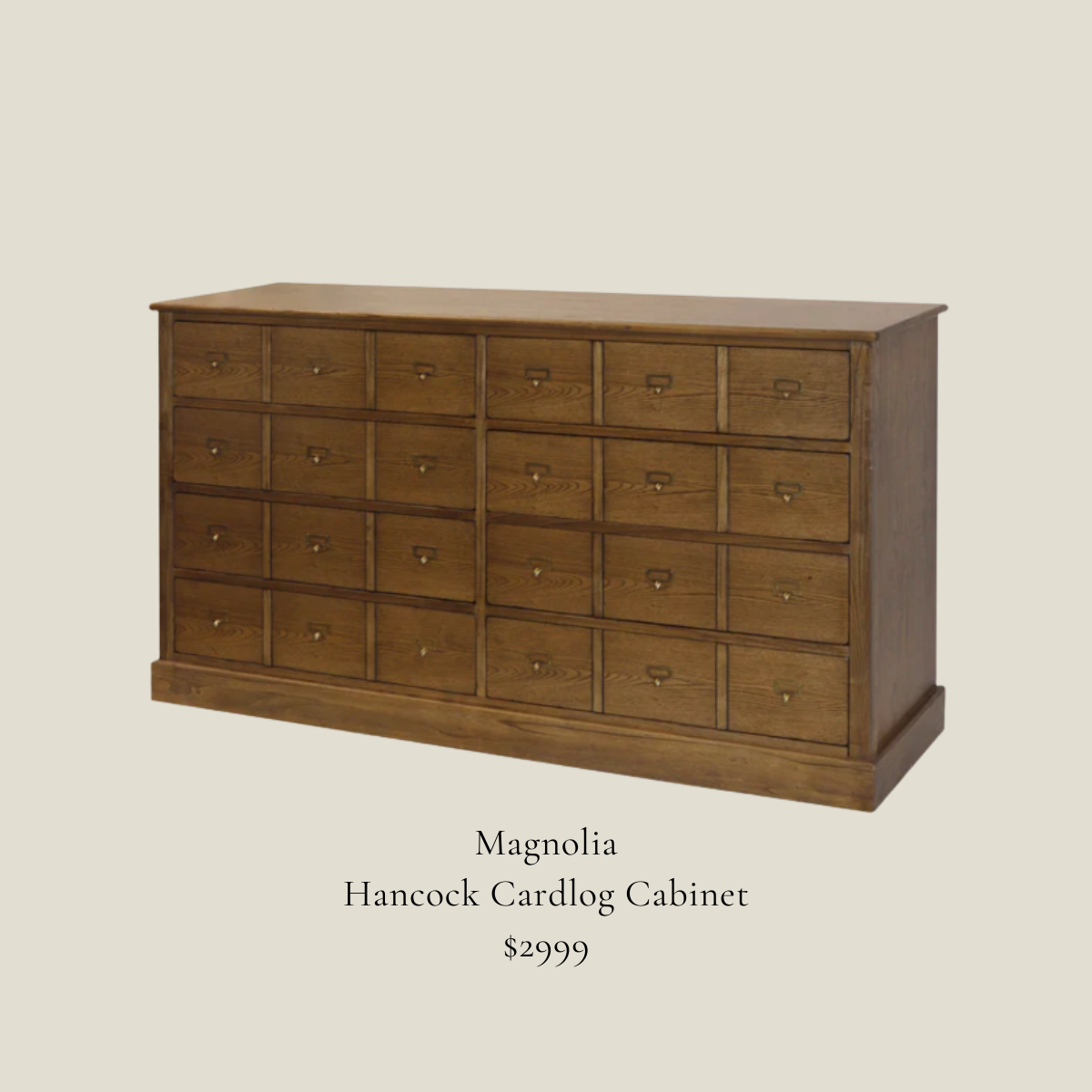
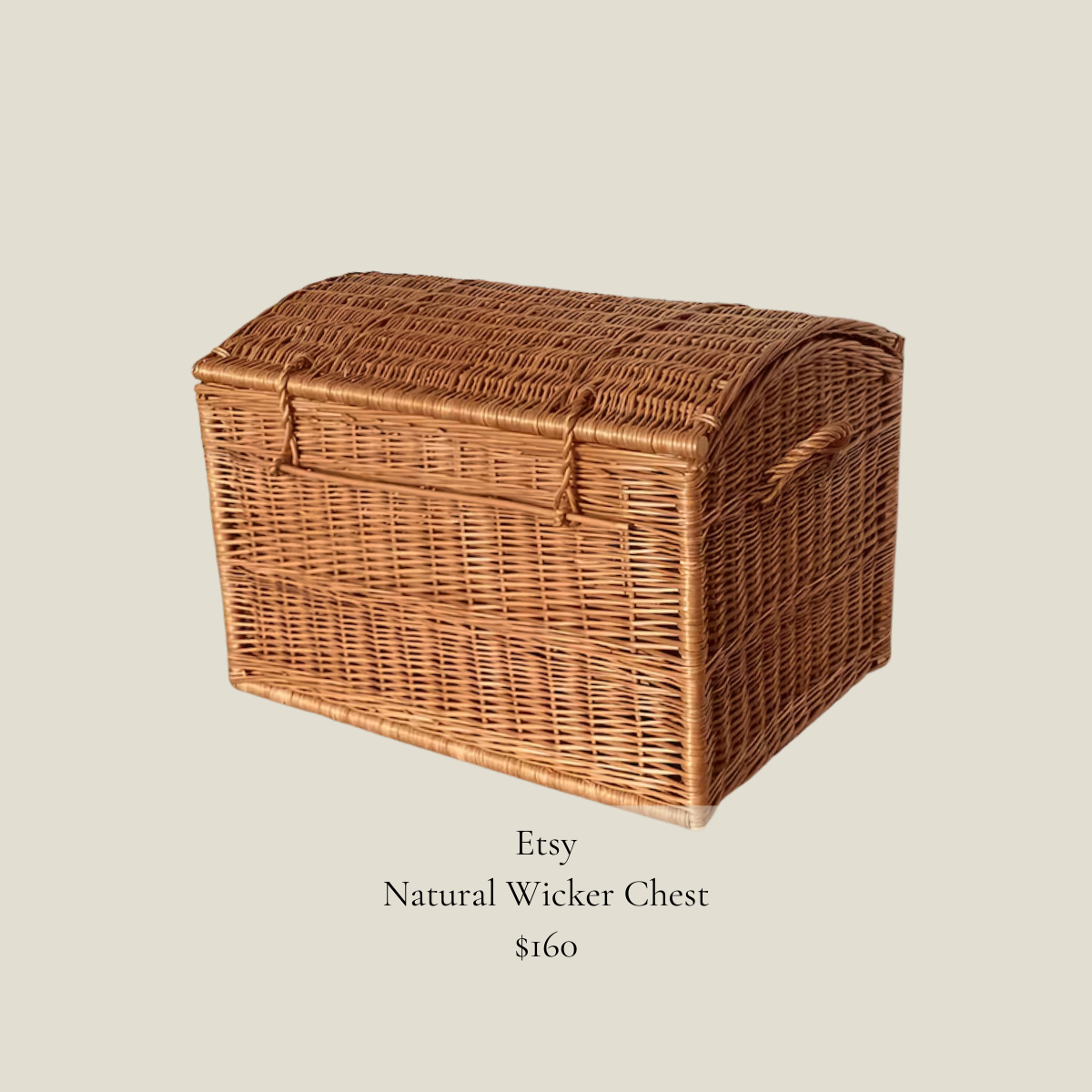
I have two long consoles that span our living room. They are beautiful and I love them, and they are also doing a tremendous amount of work behind closed doors. Crafting bits, my candle collection, dog stuff, things that aren’t too pretty but need to live somewhere. And under the side table of our living room sits a large basket that holds (almost) every single one of my dog Archie’s toys. Every squeaky thing, every rope, every ball he has carried in from outside. The basket is nice enough to belong in the room and functional enough that I don't have to think about it. That is exactly the goal.
I love stuff. I have said it before and I will keep saying it. I am a collector, deeply sentimental, and not remotely interested in a home that feels sparse or unlived in! But I also know that clutter, the visible, uncontained kind, has a way of creating a low-level stress that follows you from room to room. It isn't about having less. It's about giving everything somewhere to go.
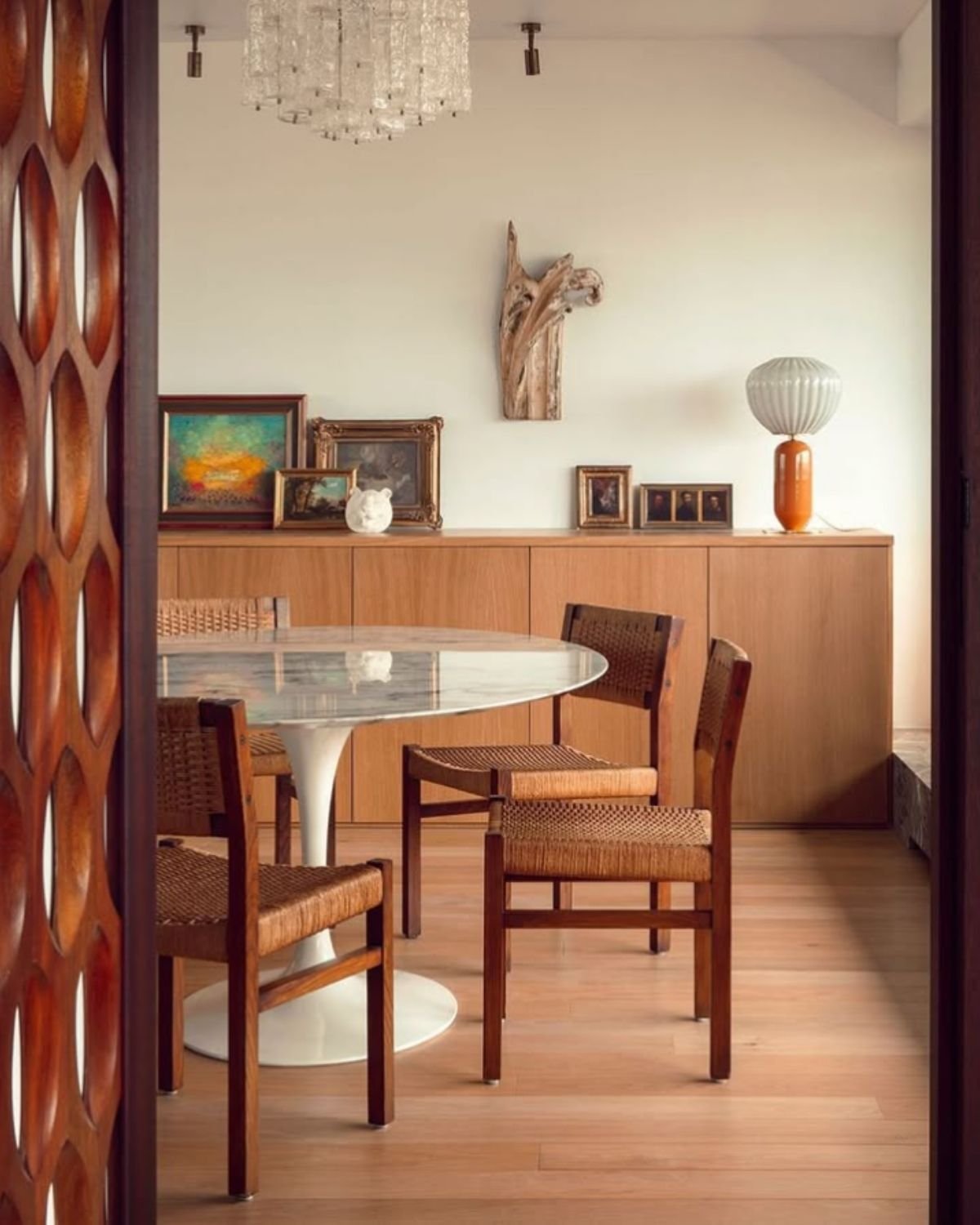
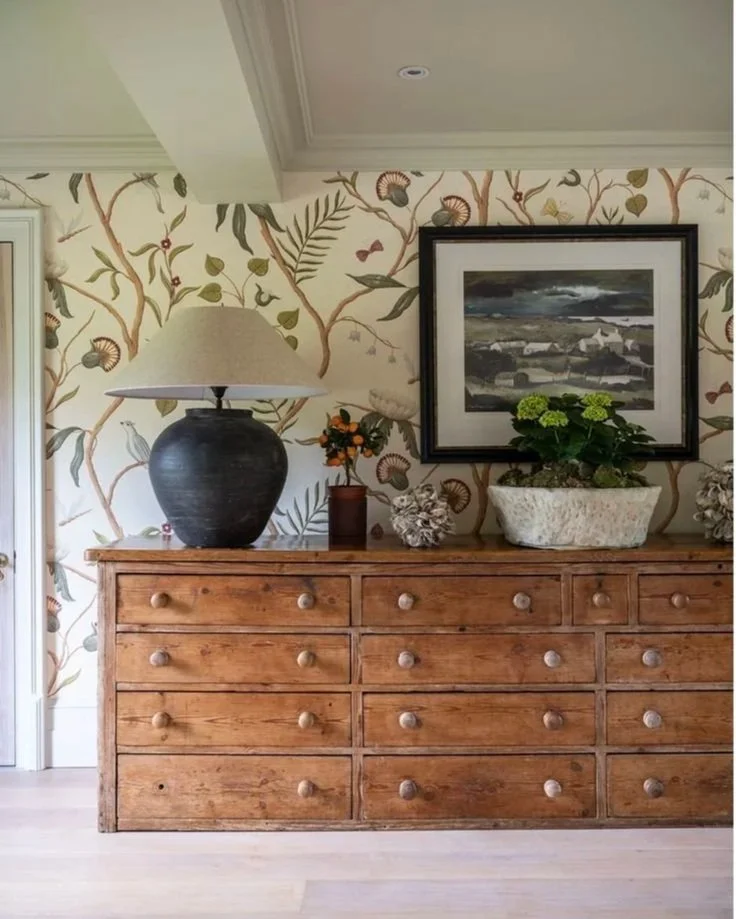
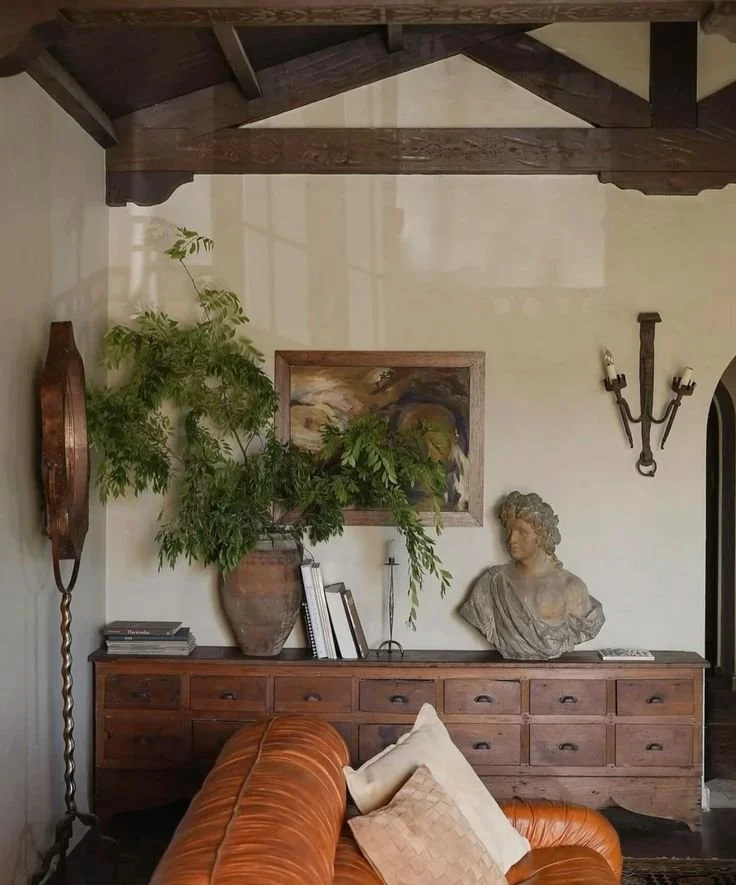
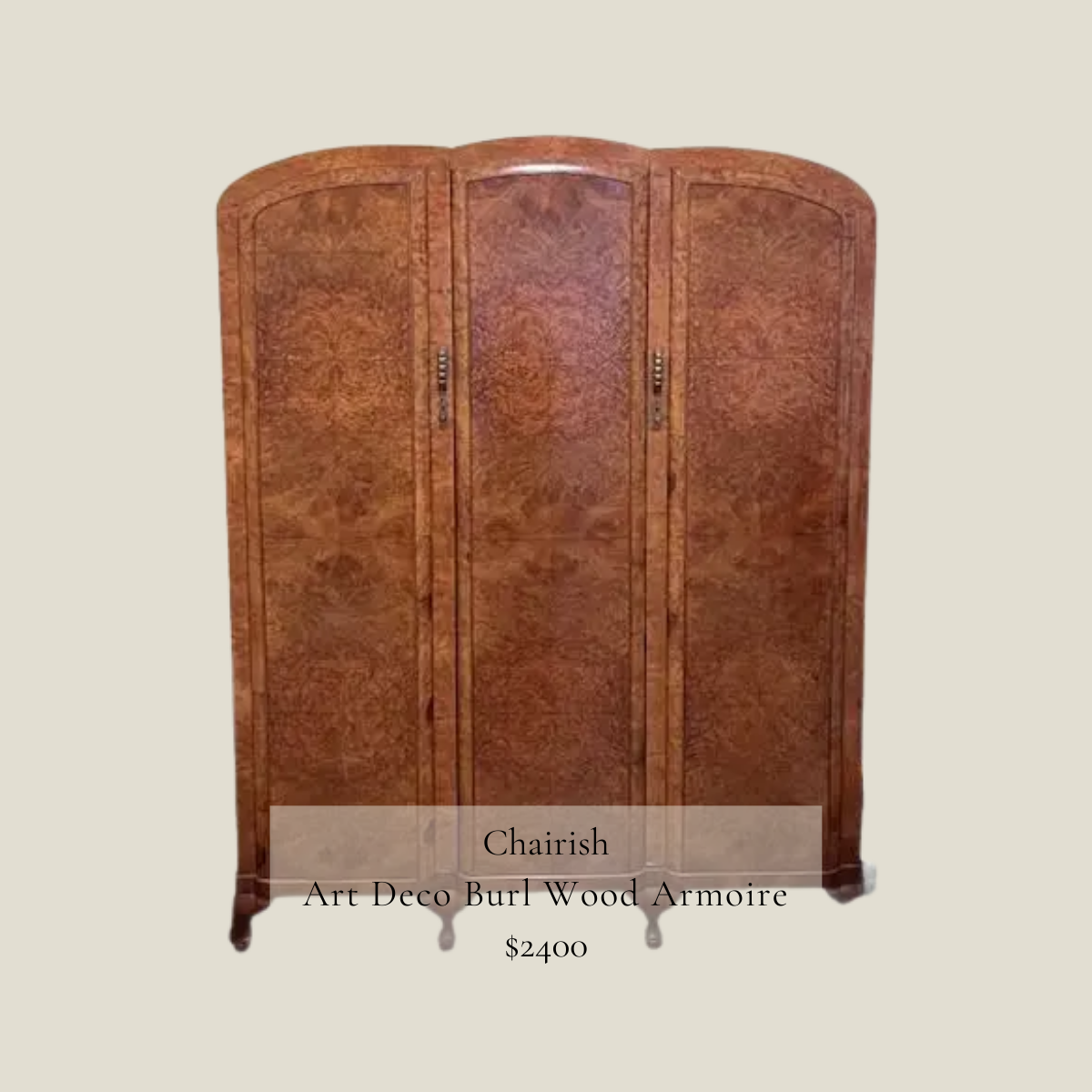
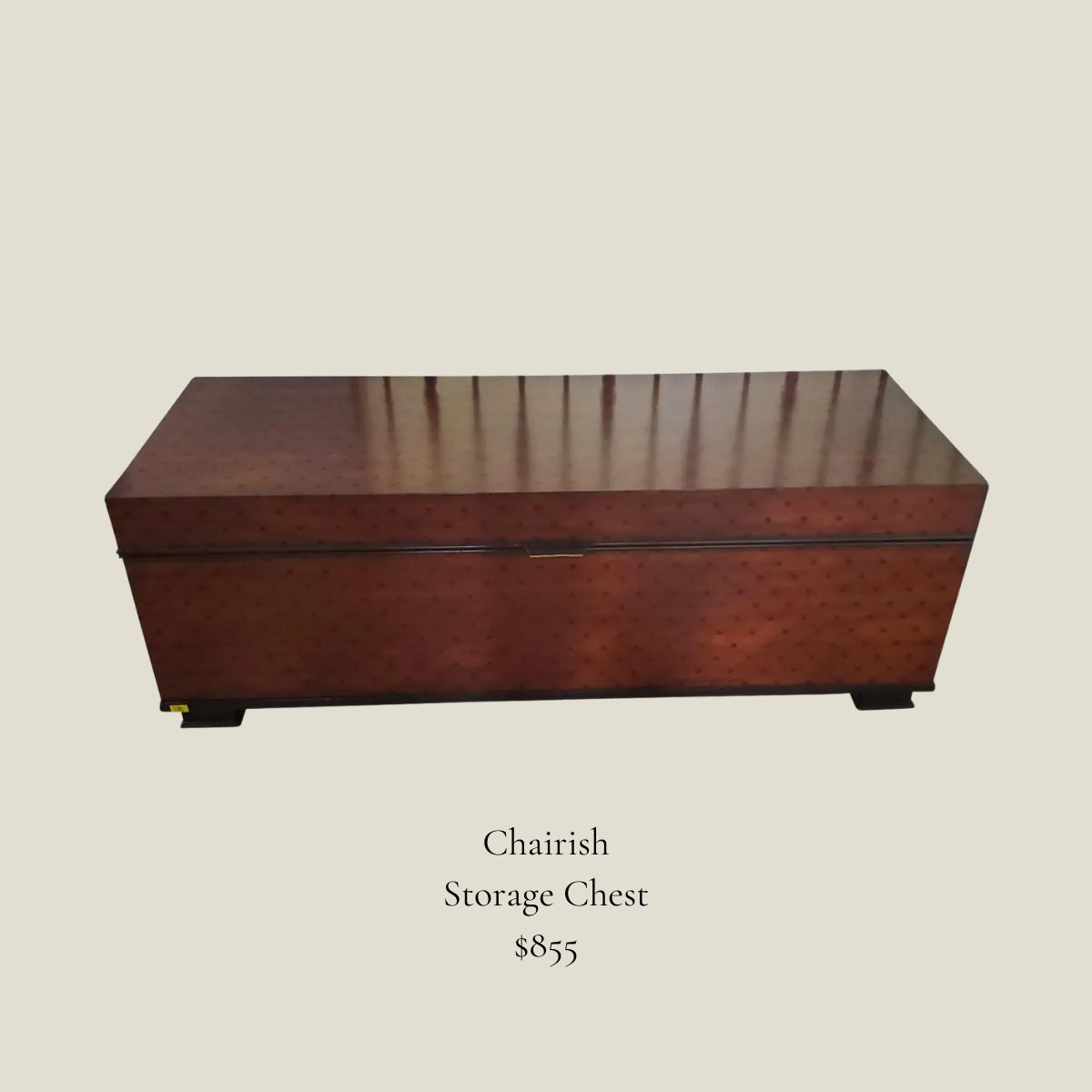
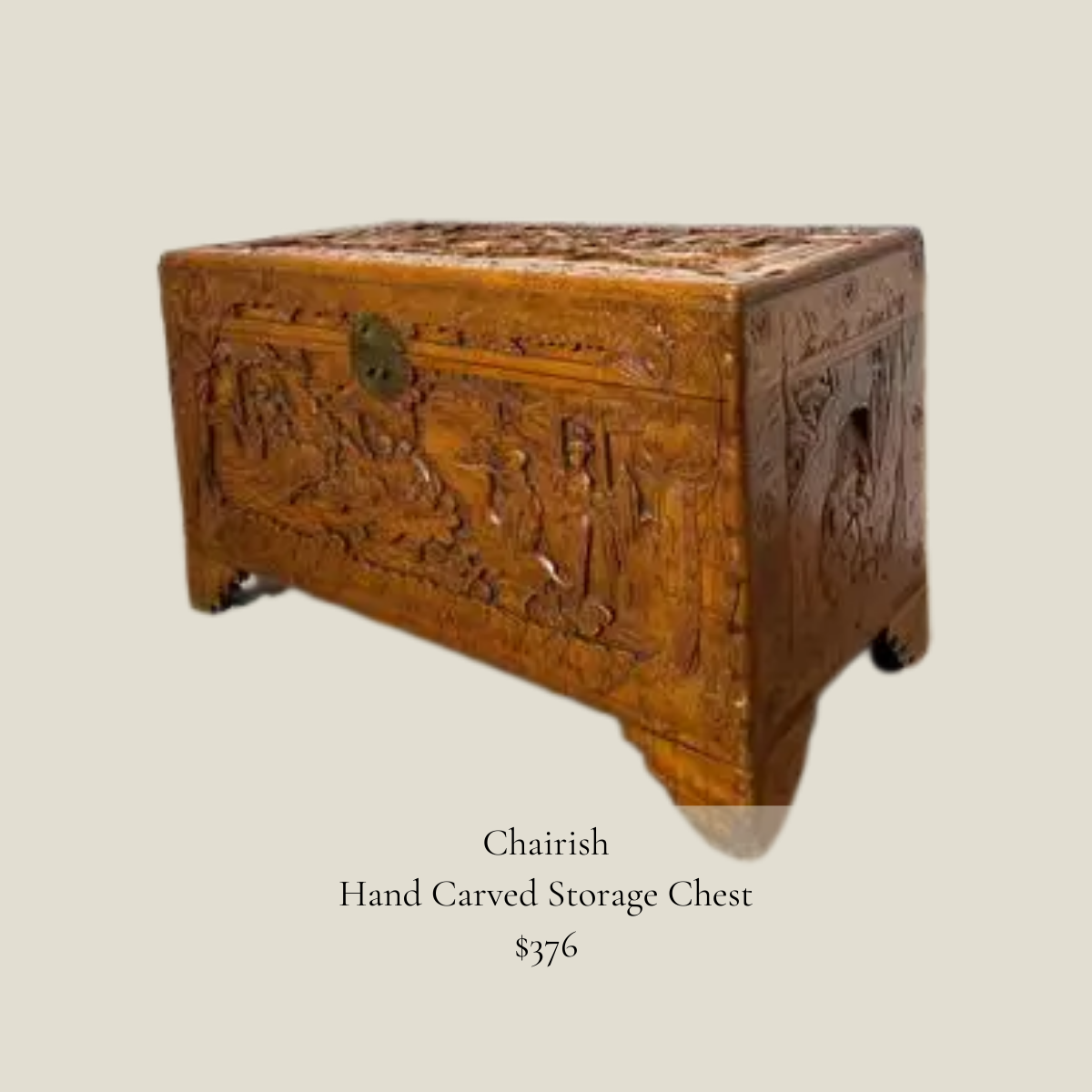
This is where closed storage becomes one of the most underrated tools in a home. A cabinet with doors, a console with drawers, a basket with a lid, these things are not admissions of defeat. They are good design. The mess doesn't disappear, it just stops demanding your attention every time you walk by. And that shift, from visible chaos to contained chaos, does something real for your mental load. You can breathe. The room feels manageable. And you feel less behind.
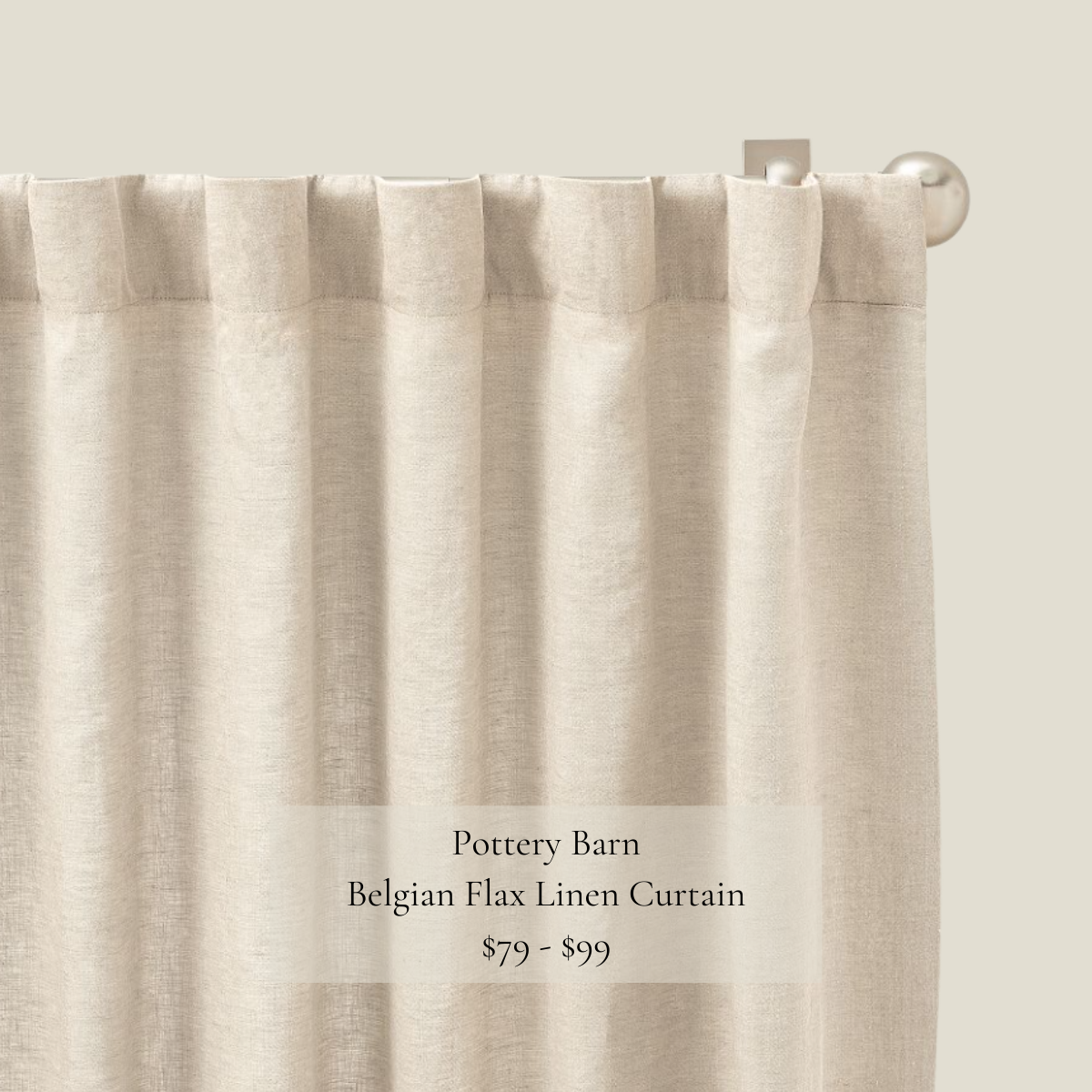
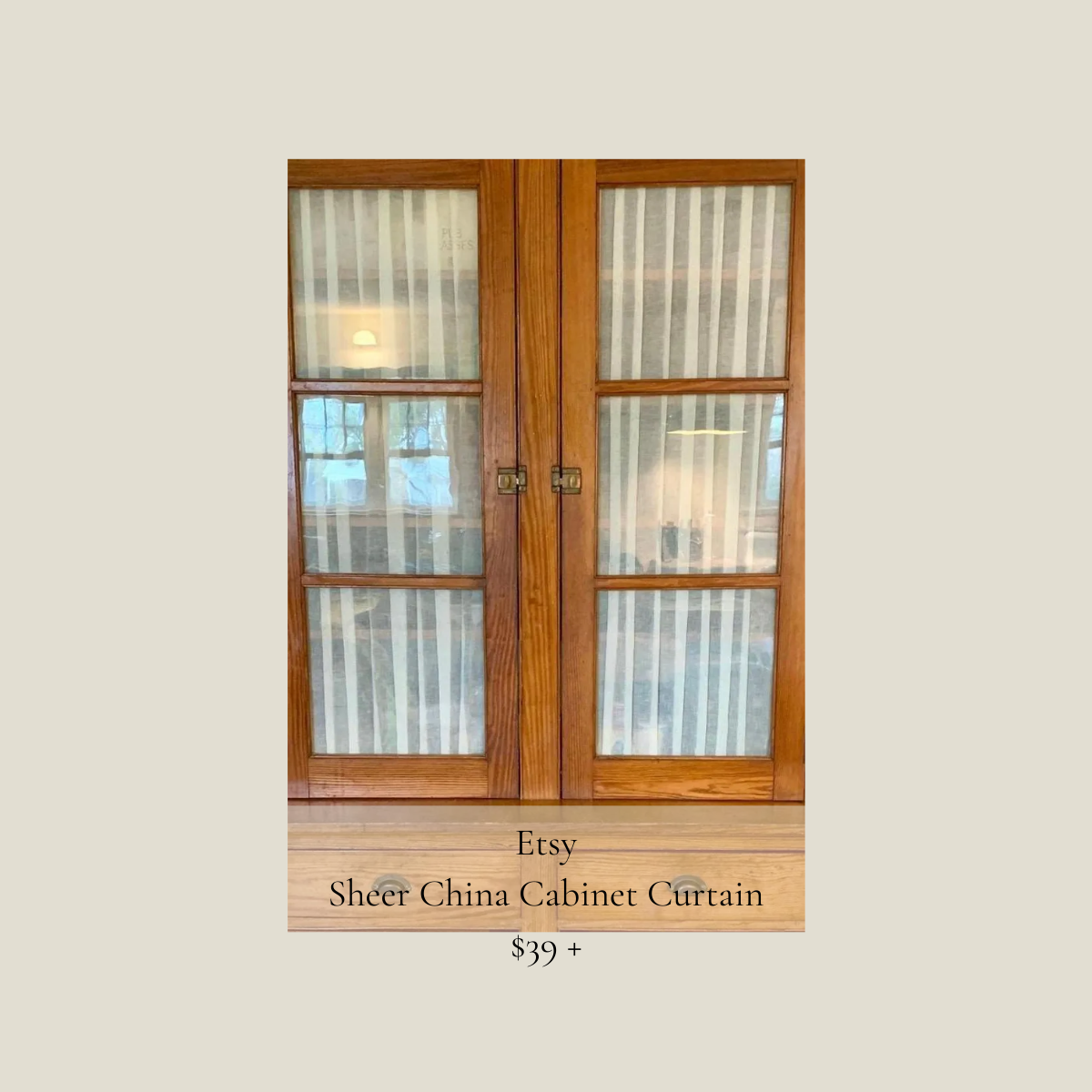
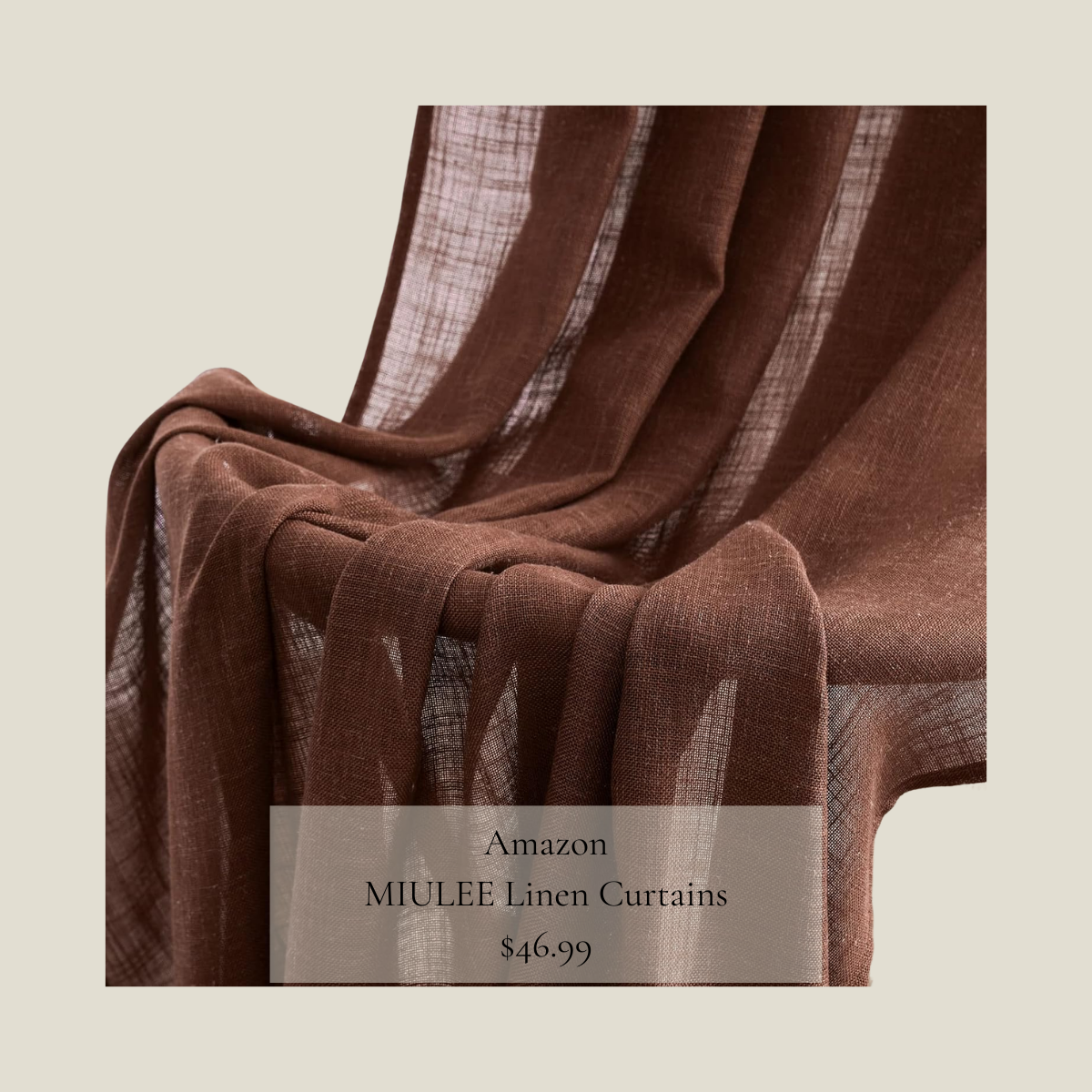
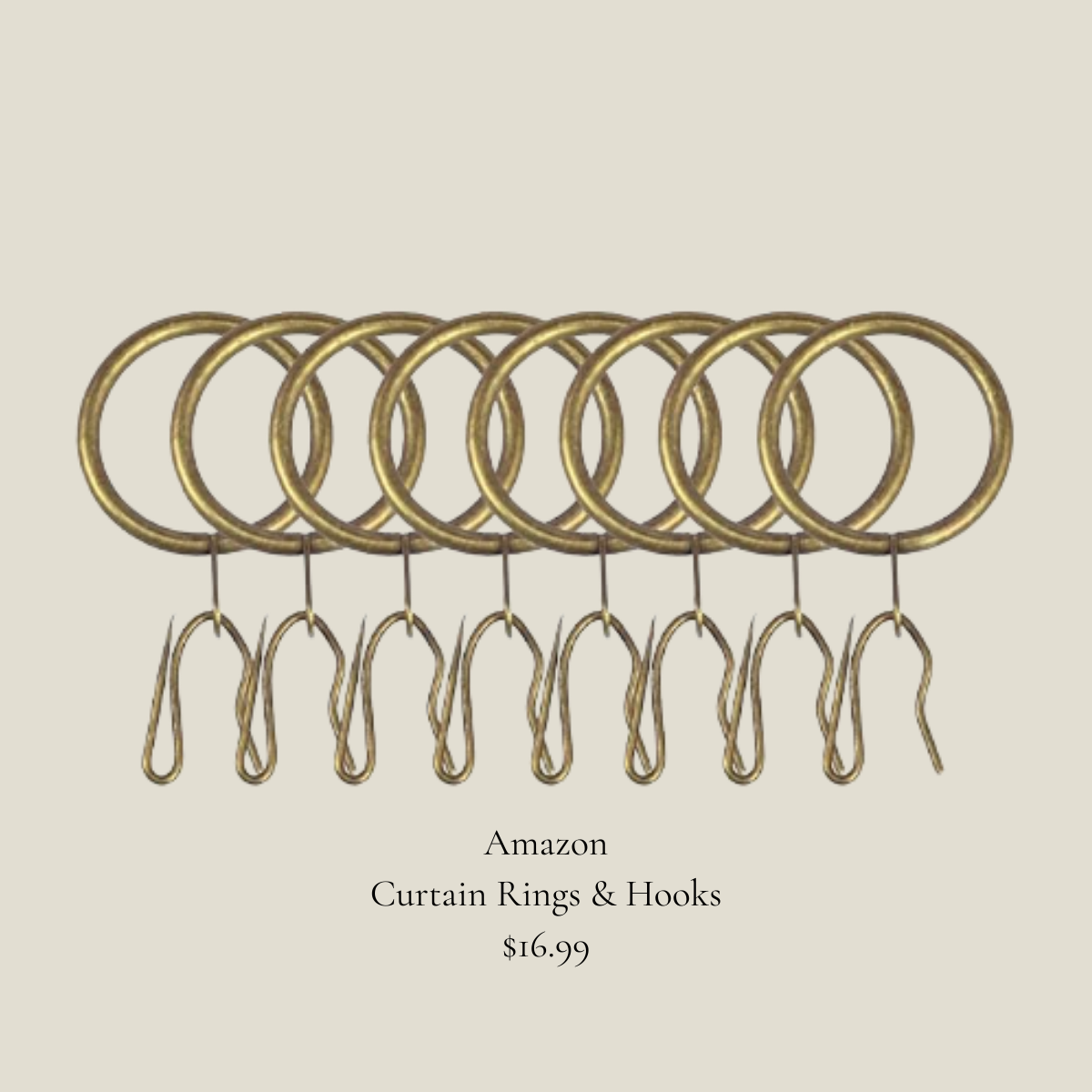
Curtains are another version of this that I don't think people consider enough. I added a sheer curtain to close off the closet that we use as a linen nook in my office, and it changed the feeling of that whole corner of the room. It's soft, it's pretty, and it means I'm not staring at a stack of folded towels every time I walk by. A curtain can do what a door does, without the hardware, without the commitment, and often with a lot more charm. It's one of those solutions that feels intentional rather than like a cover-up, which is exactly what good storage should feel like.
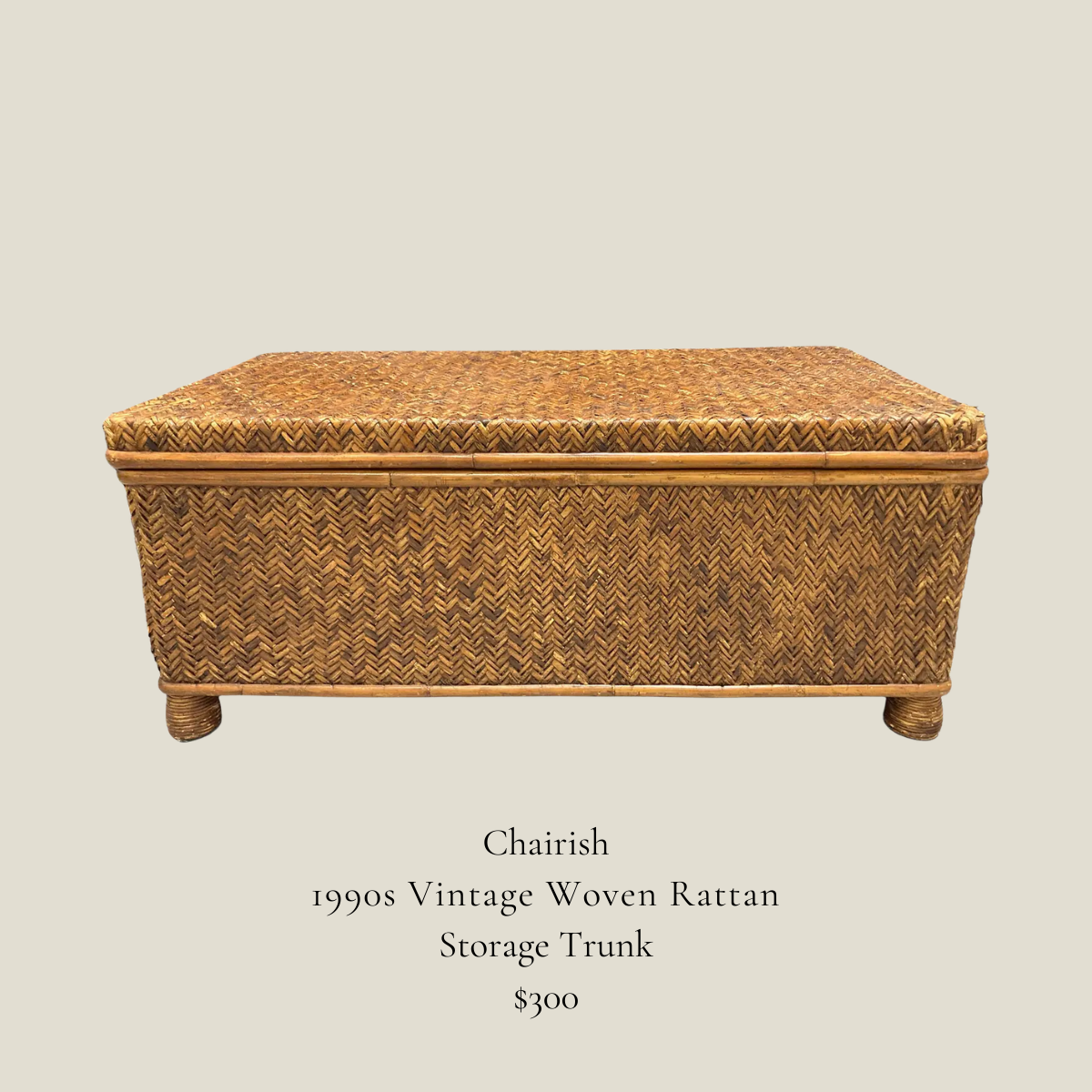
Baskets in particular are one of my favorite solutions because they're accessible, they work in almost any space, and a good one looks intentional rather than like you're hiding something (even when you absolutely are). A large basket for dog toys, extra blankets, kids' things, whatever your version of overflow looks like, reads as a design choice when it's the right material and the right scale for the room. Texture matters. A beautiful woven basket in a living room is doing double duty and doing it well.
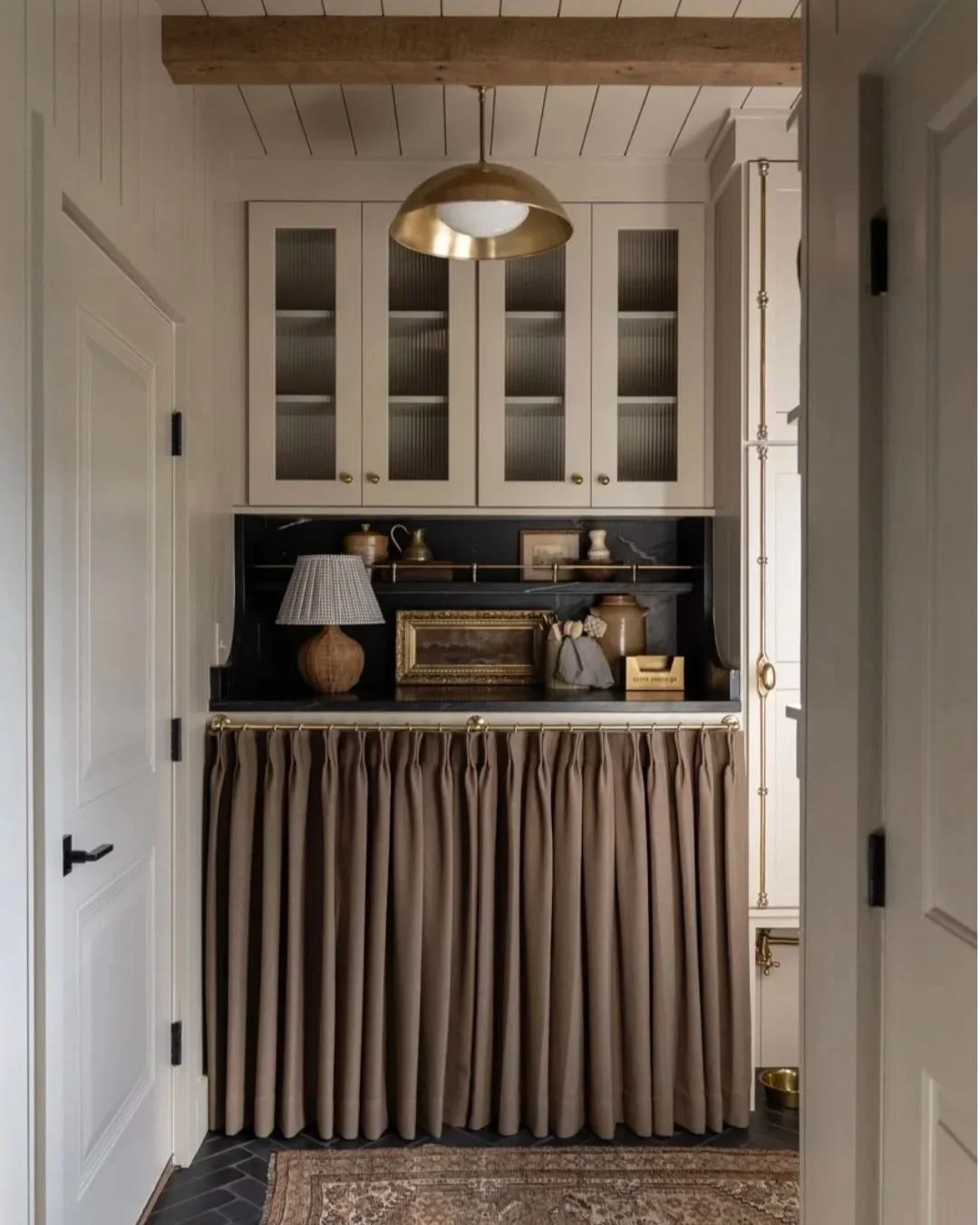
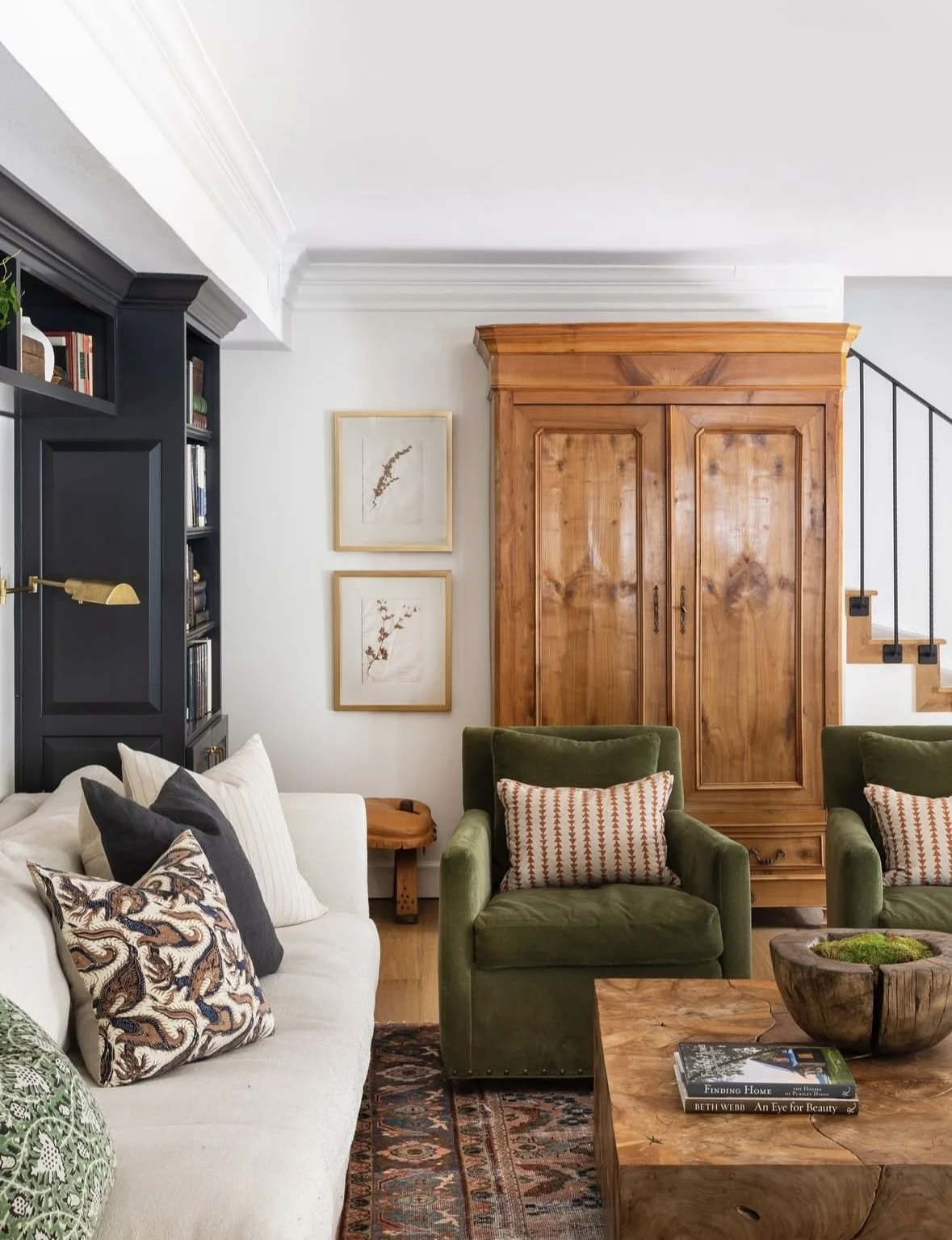
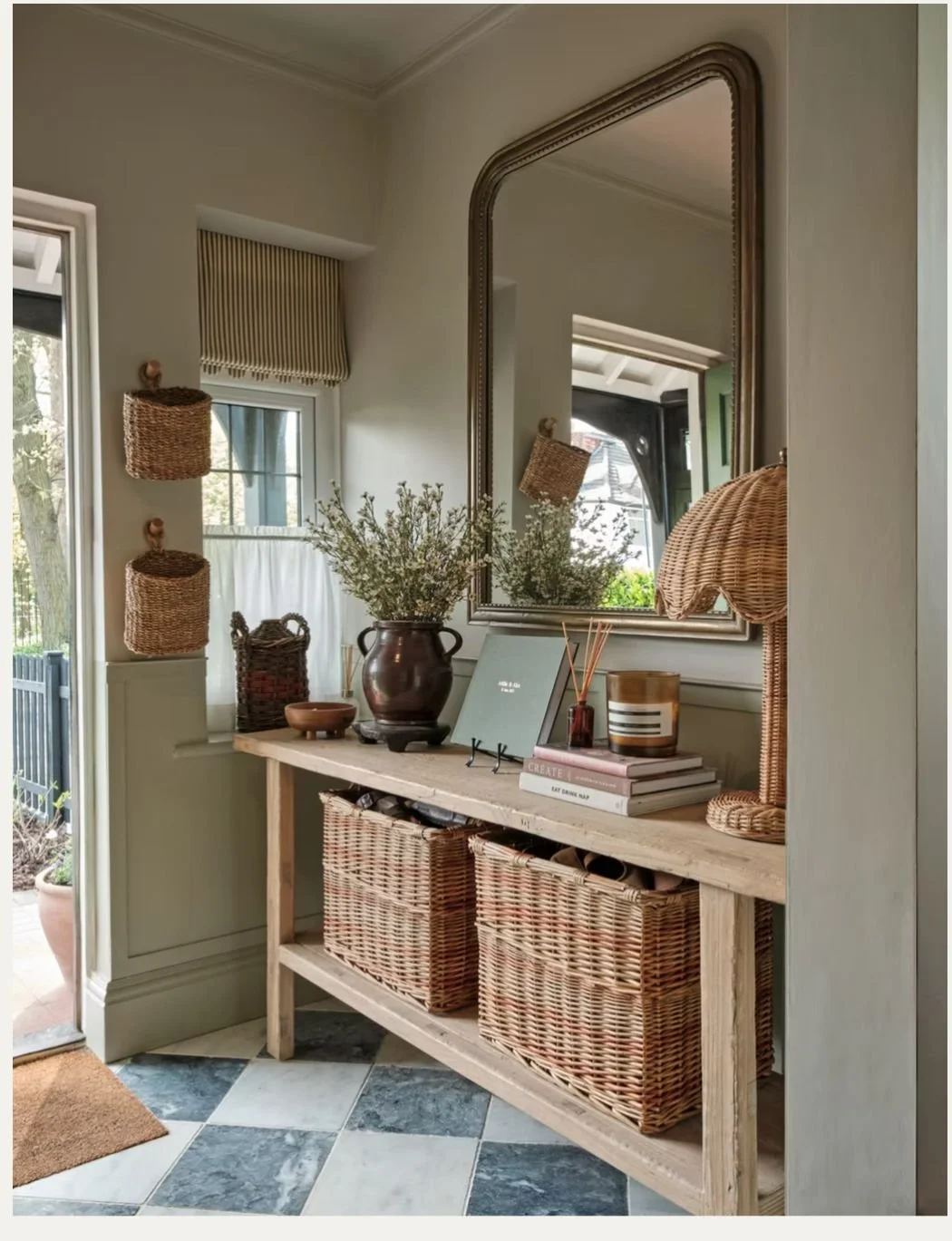
The other thing worth saying is that purging (I hate to say it) genuinely helps. Not a ruthless everything-must-go purge, but a thoughtful one. Going through a drawer, a closet, a cabinet, and asking what you actually use and what you actually love creates space, literal and mental. We are carrying a surprising amount of stuff we don't need anymore, things that have outlived their purpose or were never quite right to begin with. Letting those things go makes room for the things that matter to actually matter. And it makes the closed storage that remains feel like a considered choice rather than a catch-all.
None of this requires a renovation or a big budget. A basket from a secondhand shop, a console with doors you already own, a curtain panel in a doorway, these are quiet interventions that compound over time. Even adding a curtain to the glass doors on your cabinet can let the room have visual space to breathe again. The home doesn't have to be perfect. It just has to feel like it's on your side.
If you're looking for a place to start, a few pieces I love are linked below. Baskets in natural textures, consoles with closed storage, and simple curtain panels that do the job beautifully without a lot of fuss. A mix of new and secondhand or vintage finds at various price points, because the best version of this is almost always a little of both.