Where I Actually Source Vintage and Antiques Online
I'll be honest, the secondhand internet is a little chaotic. There's a lot to wade through, and if you don't know where to look or how to search, you can spend an hour scrolling and come up empty. I've done it. We've all done it. But once you understand what each platform is actually good for, it starts to feel less like a treasure hunt and more like a skill.
I source online constantly, for clients and for my own home. These are the platforms I keep coming back to, and how to find unique vintage home decor items online.

estatesales.net
This is my bread and butter. My online home away from home. Rather than a curated shop or someone who hit their local thrift with the intention of reselling, estate sales are the clearing out of homes and collections, so you're looking at someone's real life. This means you'll find pieces with history, patina, and a story (aka what I'm ALWAYS after)
The site lists sales by location and date, so I search by zip code and sort by upcoming. My in-person strategy is simple: Saturday mornings are prime. If you can get there early, go early, as most sales open Friday or Saturday and the best pieces move in the first hour. And for a real insider tip, the last day of the sale is usually heavily discounted (a lot of the time 50% off!).
But what’s even better? A lot of the sales on estatesales.net are online auctions, so you can browse, bid, and win from your couch. No fighting for parking, no sensory overload of a crowded estate sale on a Saturday morning (sometimes a nightmare in itself!). All you need is your laptop and a bit of strategy. Here are my best tips:
Bid late. I mean it! Hold until the last few hours (or minutes!) before an auction closes. Bidding early signals to everyone else that something is worth competing for, and it drives the price up unnecessarily.
Online auctions close on a rolling schedule, meaning not all items end at the same time, so set a reminder for the specific pieces you're watching.
Read the condition notes carefully before you commit. "Good vintage condition" and "excellent condition" mean very different things, so the photos are your best friend here.
Zoom in. Look at the edges, the underside, the details.
And always confirm whether the sale requires local pickup or ships before you bid.
And I beg you, from my personal experience, look at the measurements. On one side I have been very pleasantly surprised to find that the ‘small’ pillars I won were in fact four and five feet tall, and the print I won for $7 was three by five FEET. Which both barely fit in my car. However, on the other side, I have also won a bidding for a rocking chair that I thought would be a perfect addition to our living room, only to find it was the size for a toddler… So again, look at the measurements.
Chairish
Chairish, similar to 1stDibs, sits at a different price point than the rest of the platforms on this list, and I want to be upfront about that. You're not going to stumble onto a steal here. (That being said, I have found some great items for less!) But what you WILL find is a level of curation and uniqueness that's hard to match anywhere else. The sellers tend to be dealers, collectors, and designers who know exactly what they have, and it shows in both the quality of the listings and the pricing.
Search by designer or maker here and you'll be rewarded! "Knoll," "Herman Miller," "Murano," "Wedgwood," "Fornasetti." Chairish is one of the better platforms for finding pieces with a known provenance or a recognizable name behind them. If you know the maker, use it!
I tend to gravitate to items that don’t have a super recognizable name, a strategy that is usually always rewarded with something very unique and special (and often at a better price point). In these instances, I’ll rely heavily on my search terms. “Wrought iron candlesticks,” “Wooden outdoor table,” ... even searching by a sole material like “marble” or “travertine” is a fun way to discover new decor objects.
I reach for Chairish when I'm looking for something specific and special, a piece that needs to carry a room or anchor a space. When a client needs something truly one of a kind, this is where I go.
Current Charish saves:
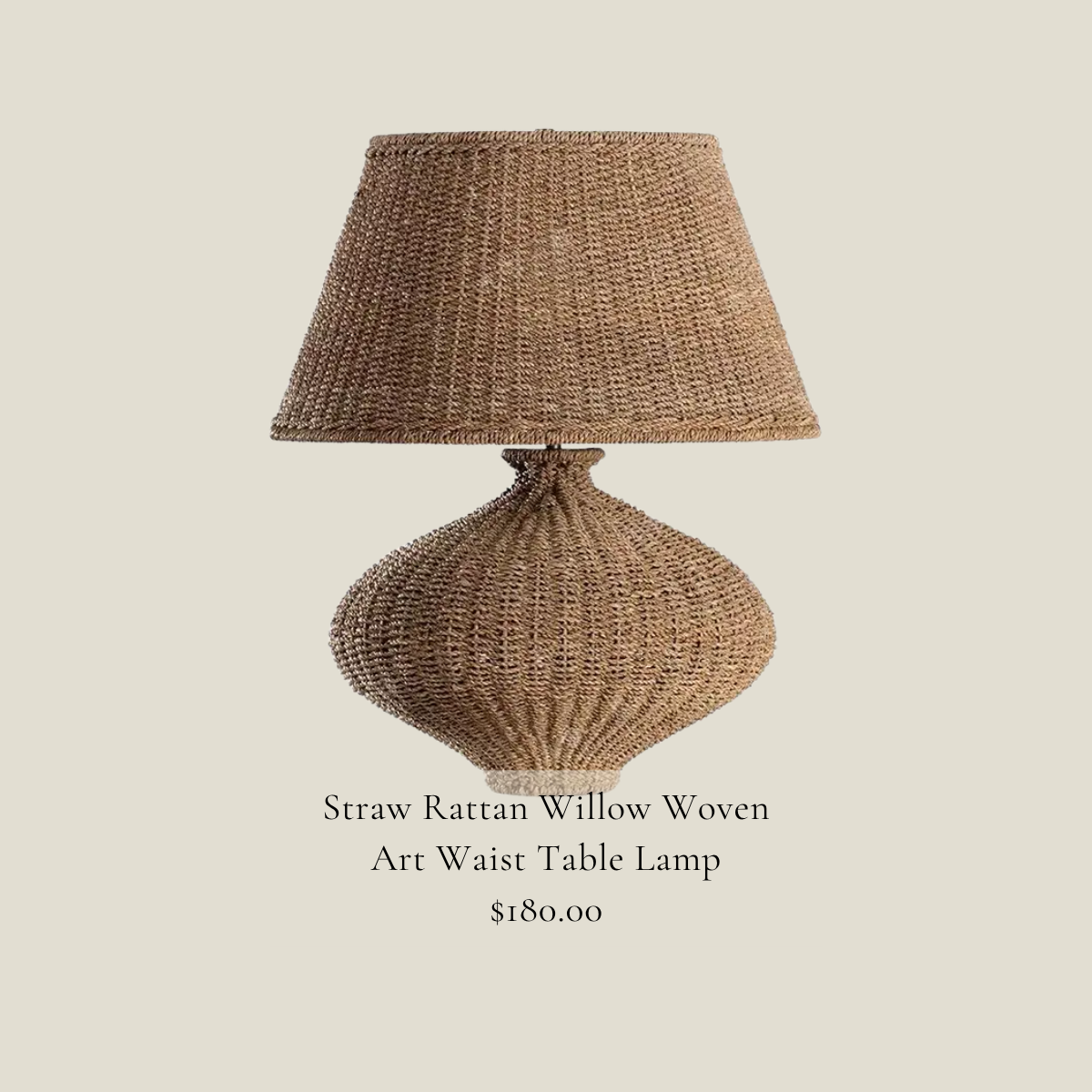
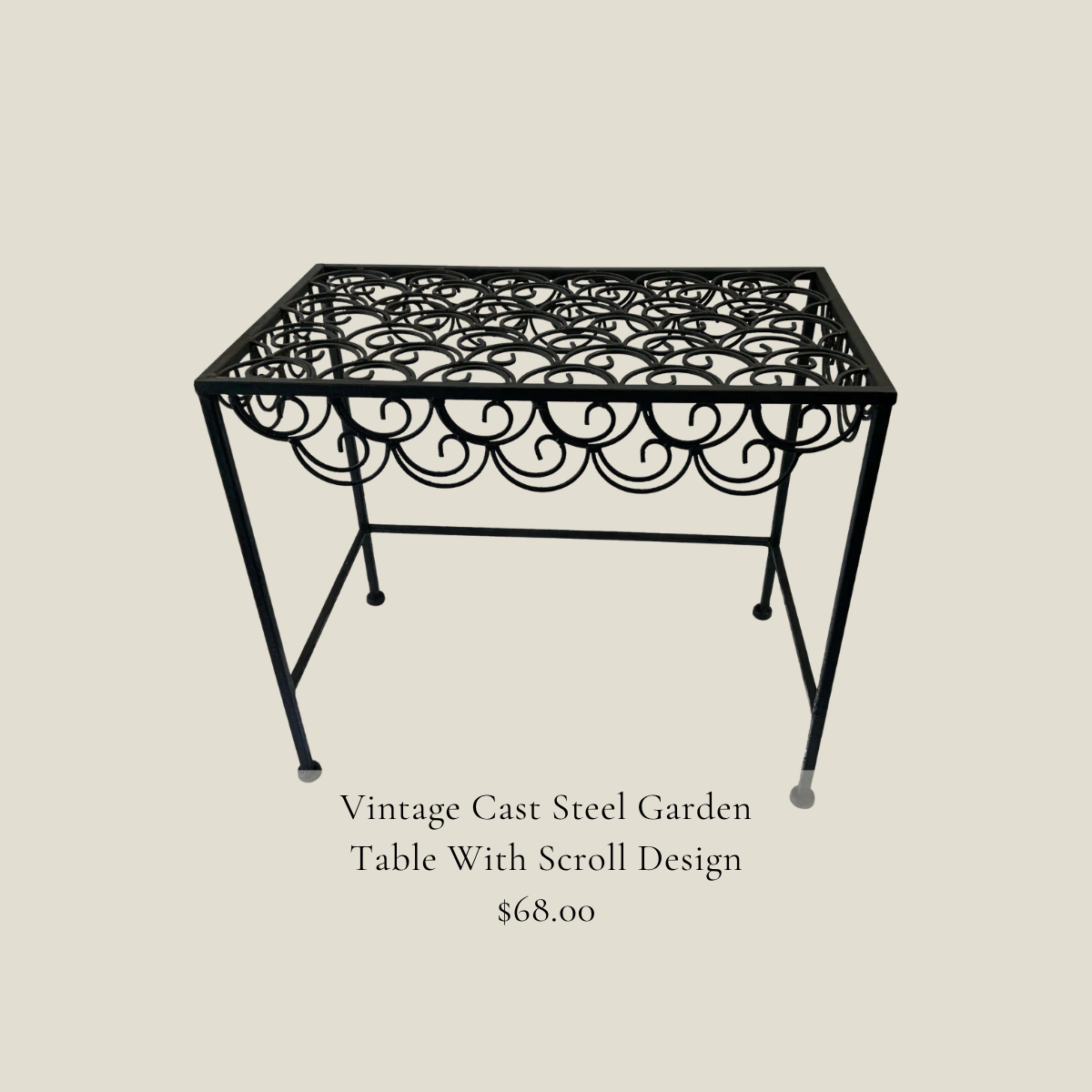
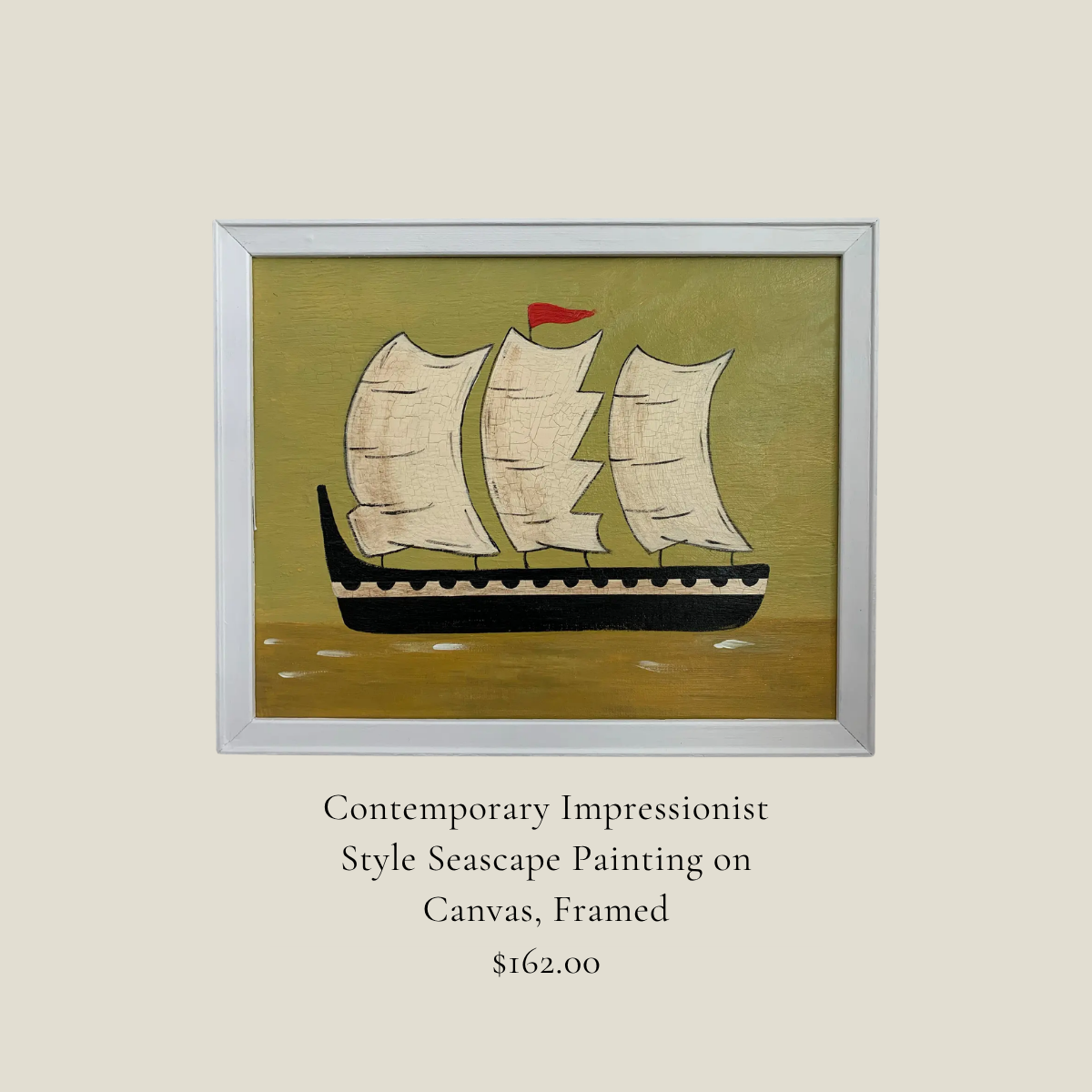
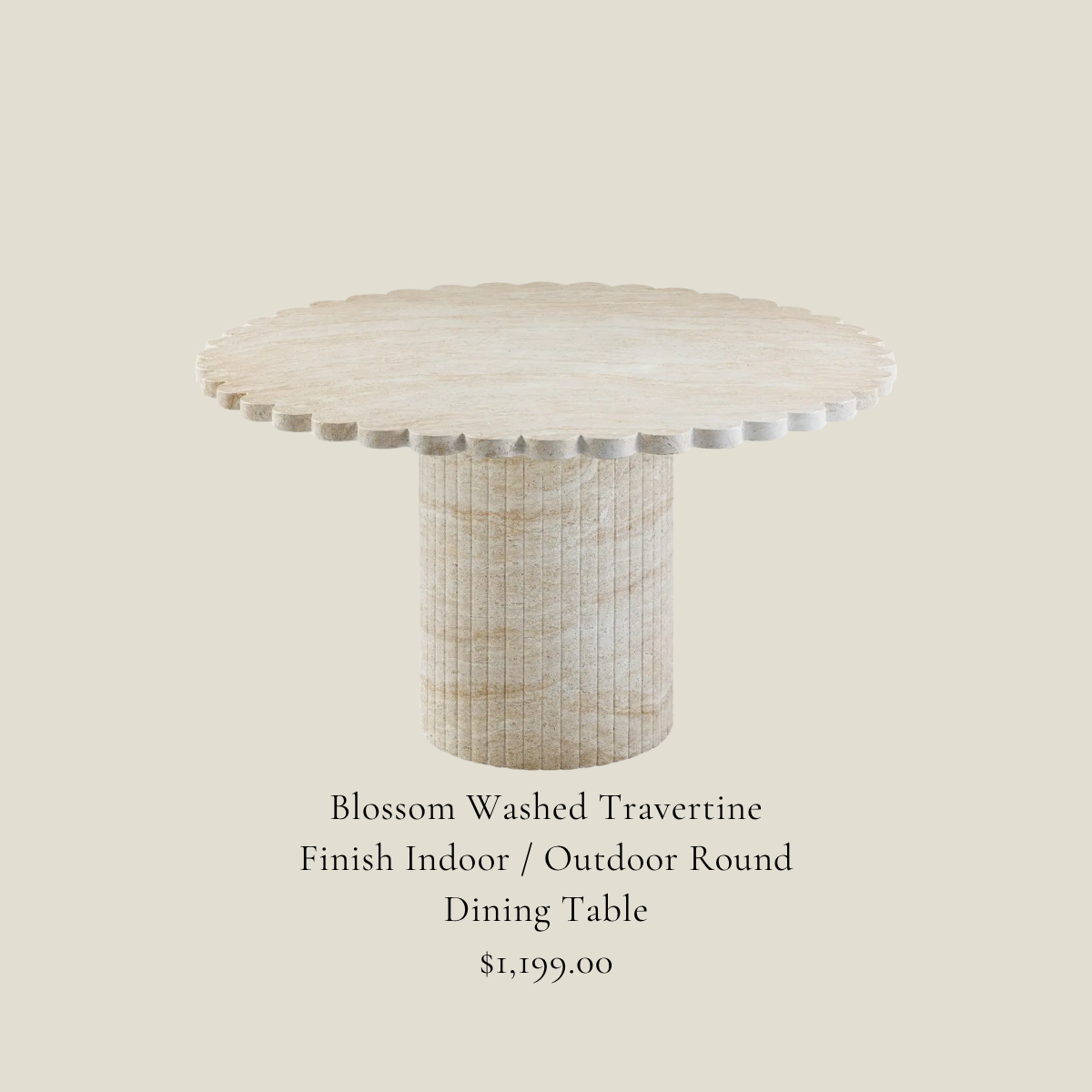
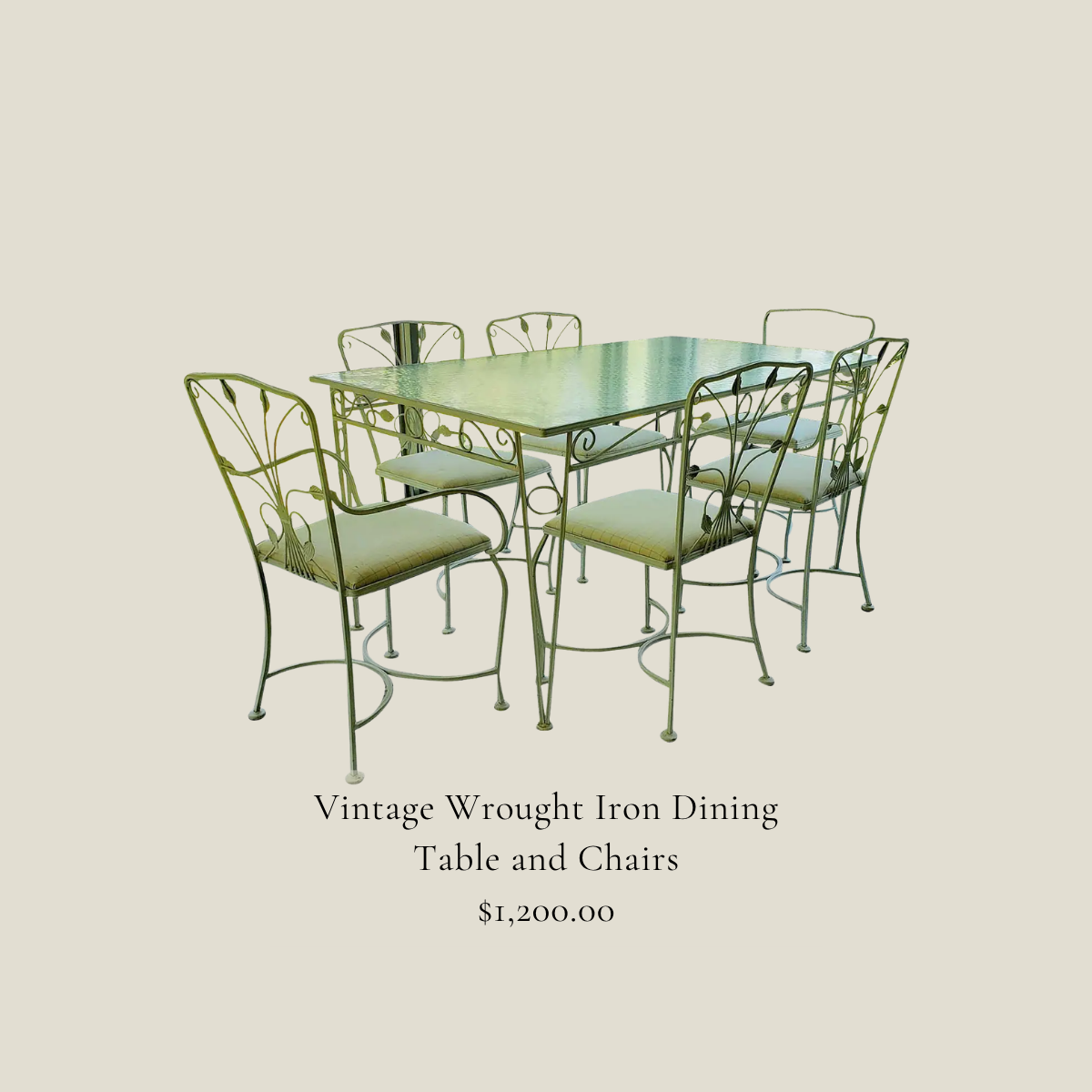
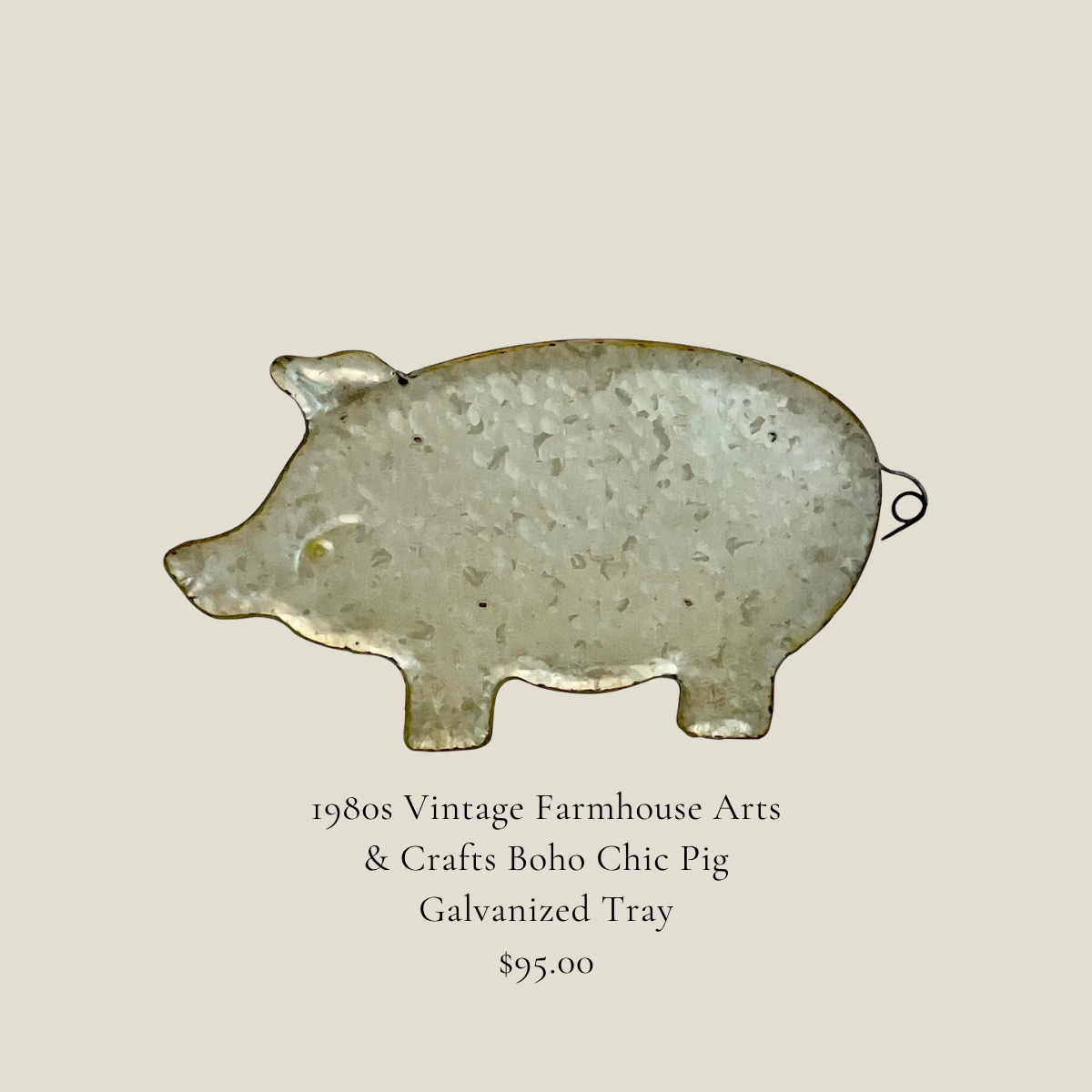

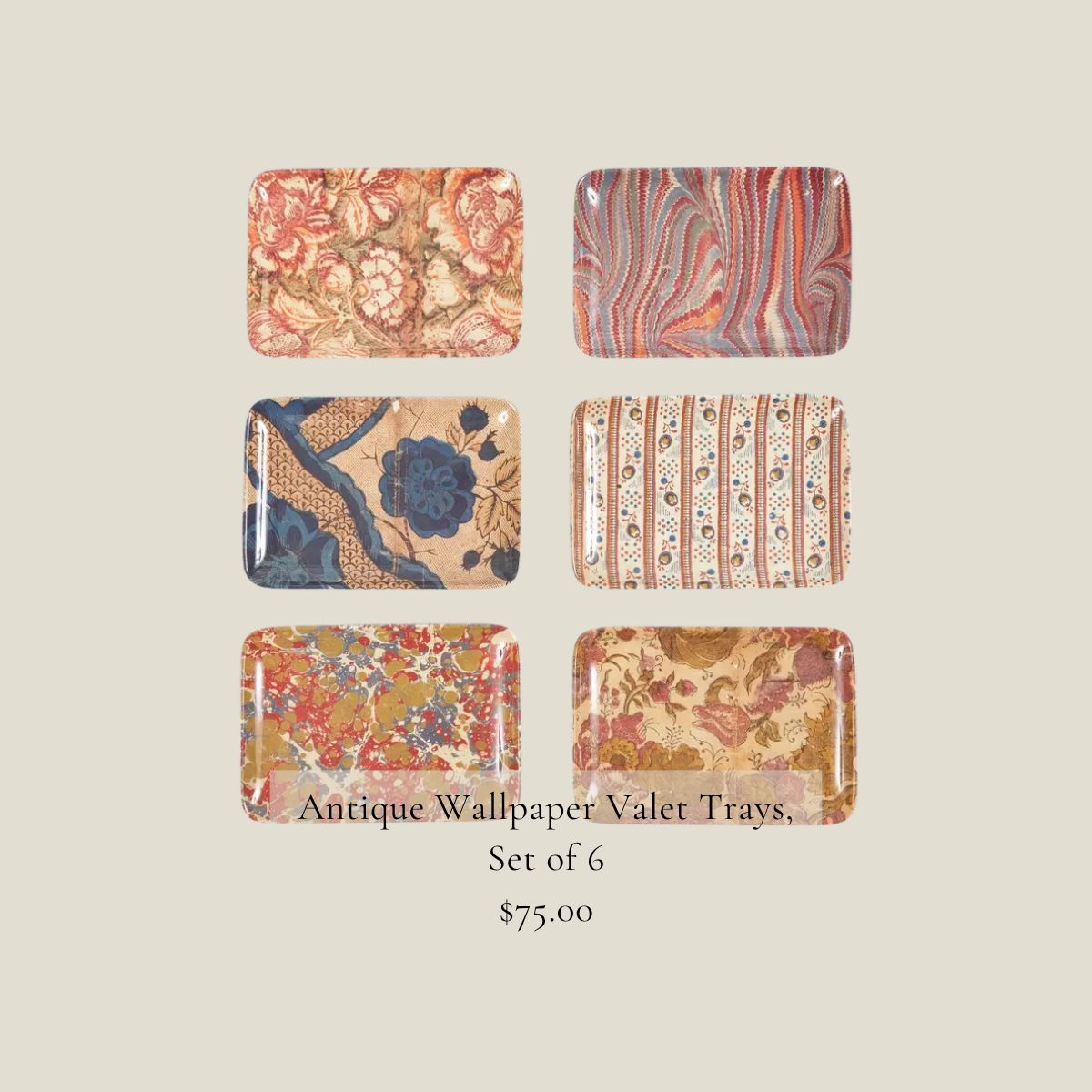
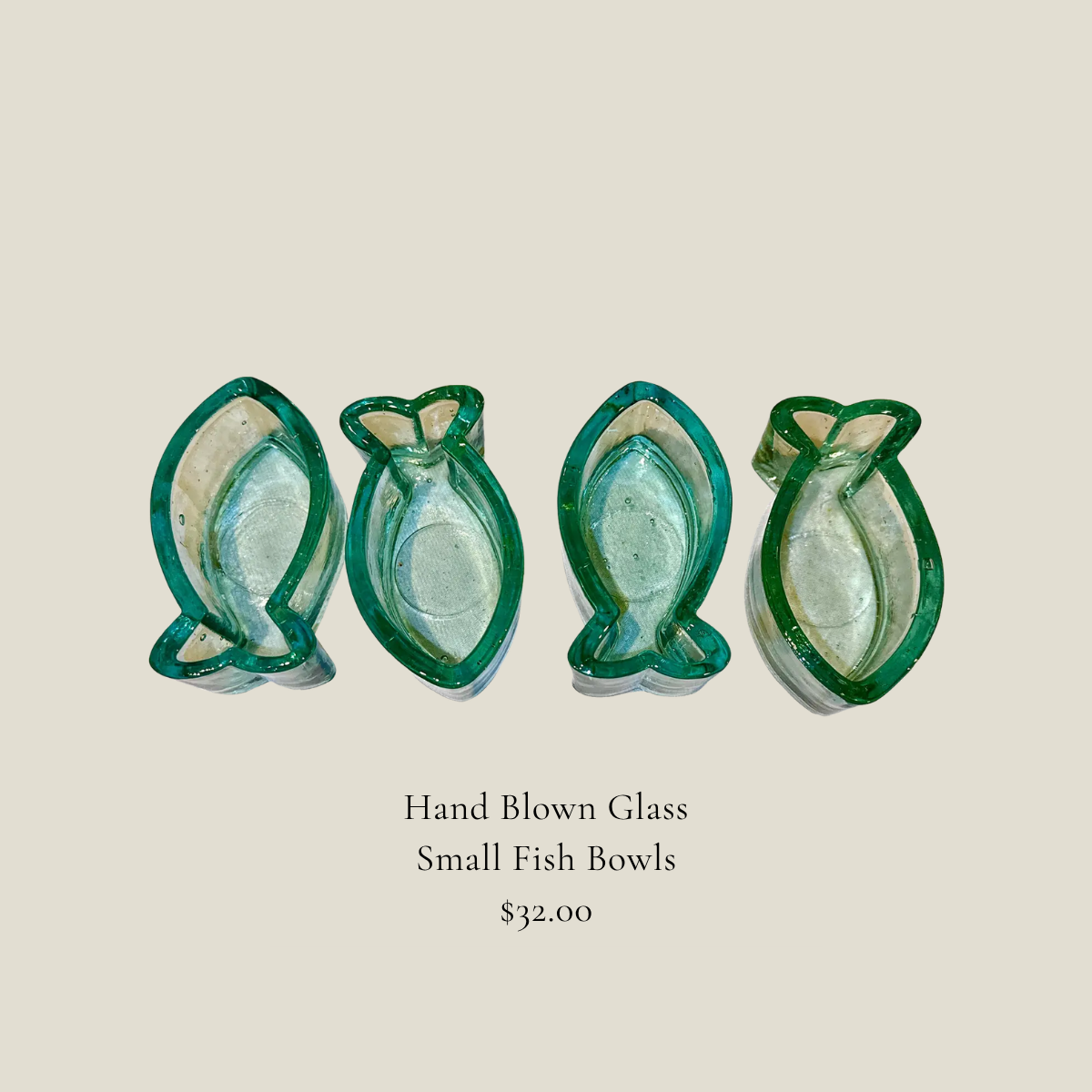
liveauctioneers.com
I know, I know. It sounds intimidating. Auction houses, bidding paddles, the whole thing. But liveauctioneers.com has made the actual auction world accessible in a way that didn't exist before, and once you get past the learning curve it becomes one of the most exciting places to source.
The platform aggregates listings from real auction houses all over the world, which means you're bidding on the same items that would have required a plane ticket and a paddle not that long ago. I found one of my favorite pieces in my home through this site, something I never would have stumbled across on Etsy or at a local estate sale.
A few things that make the experience less stressful:
Set a max bid and walk away. You don't have to sit there refreshing the page as the clock winds down. The platform will bid on your behalf up to your limit.
Filter by category (ceramics, furniture, art, silver, whatever your focus is) and set up alerts so you're notified when something relevant hits the platform.
And please, factor in the buyer's premium before you bid. It's typically an additional 20–25% on top of the hammer price, and it will change your math entirely if you forget about it. Most auction houses list this upfront. Read it before you fall in love with something.
Facebook Marketplace and OfferUp
These two live in a slightly different category from the rest (more neighbor-to-neighbor than curated marketplace), which is exactly what makes them worth your time. Pricing tends to be more negotiable, the inventory turns fast, and you can often pick something up the same day.
Facebook Marketplace has gotten enormously popular, which is both a blessing and a thing to be aware of. More listings, yes, but also more competition and prices that have crept up as sellers have gotten savvier. Since Facebook Marketplace has become so popular, I often try to use platforms that aren't so 'trendy' like OfferUp or Ebay. The inventory on OfferUp is strong, the pricing is often better, and it just feels a little less picked over.
One thing that applies to both: these apps learn from you, so teach them well! Click into things that are close to what you want, even if they're not quite right. Save listings that catch your eye. The algorithm is paying attention, and the more you interact with relevant content, the better your feed gets over time! I like to hop on at least once a day and teach my algorithm. I know it sounds like a lot, but it's a small habit that pays off quickly.
eBay
eBay is a bit of everything, which is simultaneously its greatest strength and its biggest challenge. The inventory is massive and spans every category imaginable, from a single vintage doorknob to an entire dining set. That breadth is genuinely exciting, and it also means you need to come in with some focus or you'll lose an hour without finding much at all.
This is where more specific search terms really earn their keep. Country of origin is one of the most underused filters in vintage searching, and eBay is the place to lean into it. "Danish," "Swedish," "French," "Italian," or "Japanese" paired with a category or material will surface things that a generic search never would. "Danish teak" finds you something entirely different than "wood table," and the difference in quality is usually significant.
Designer and maker terms work beautifully here too. "Eames," "Knoll," "Murano," "Barovier," "McCoy," "Hull." And condition terms are worth adding when you're open to imperfection. "Patina," "worn," "distressed," or "as found" can lead you to pieces that are priced lower precisely because they show their age, which in most cases is exactly the point.
The search functionality is some of the strongest of any platform on this list. You can filter by condition, price range, location, and listing type (auction versus buy it now). One feature I find particularly useful: search completed listings to see what things have actually sold for. It takes the guesswork out of whether a price is fair and gives you a real sense of market value before you commit. You can also set up saved searches and eBay will notify you when something new matches. That feature alone has surfaced pieces I never would have stumbled across otherwise.
And then there's Japanese eBay, which deserves its own moment. Japan is renowned for its secondhand market. If you've ever been to a vintage or secondhand shop in Japan, you already know: the quality of care, the condition of the goods, and the caliber of what's on offer is unlike anywhere else in the world. Japanese eBay takes everything that makes those shops exceptional and brings it online. Every category is worth exploring: ceramics, textiles, furniture, lighting, objects you simply won't find anywhere else.
To access it, go to ebay.com and click "Advanced" next to the search bar. From there, change the "Located in" field to Japan. Shipping could take a bit longer or cost more, but for the right piece it is absolutely worth it. Some of the most interesting things I've encountered online have come from that corner of the internet.
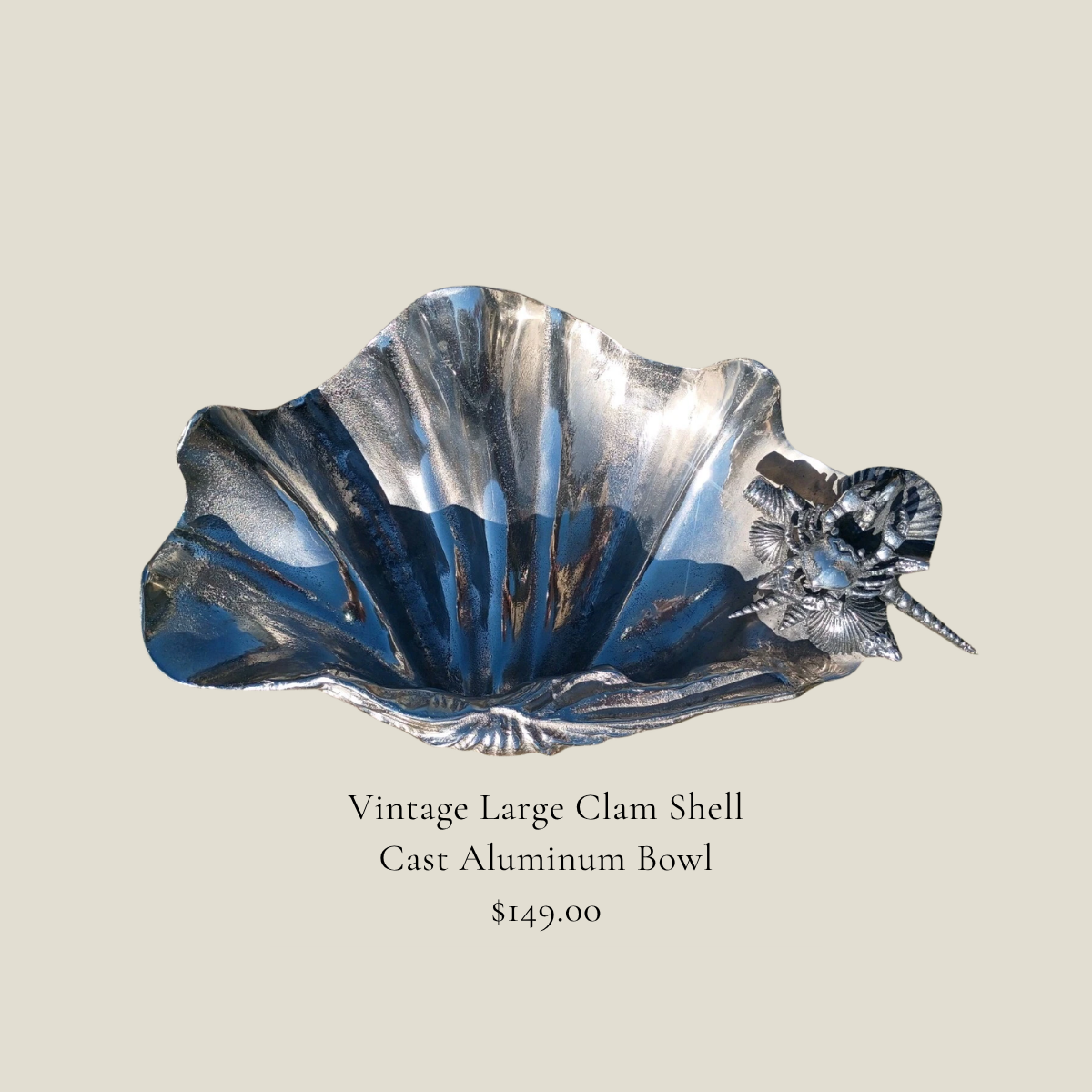
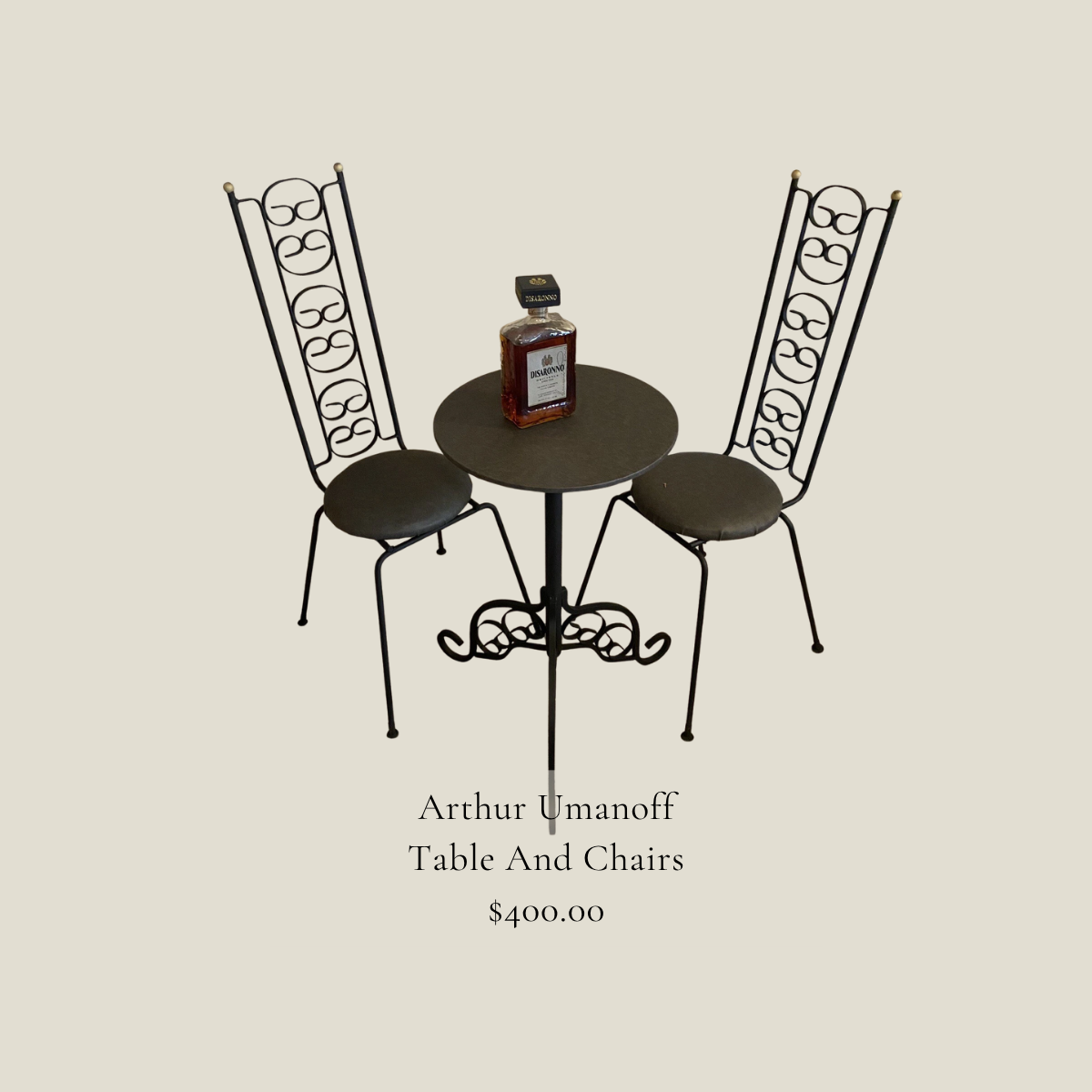
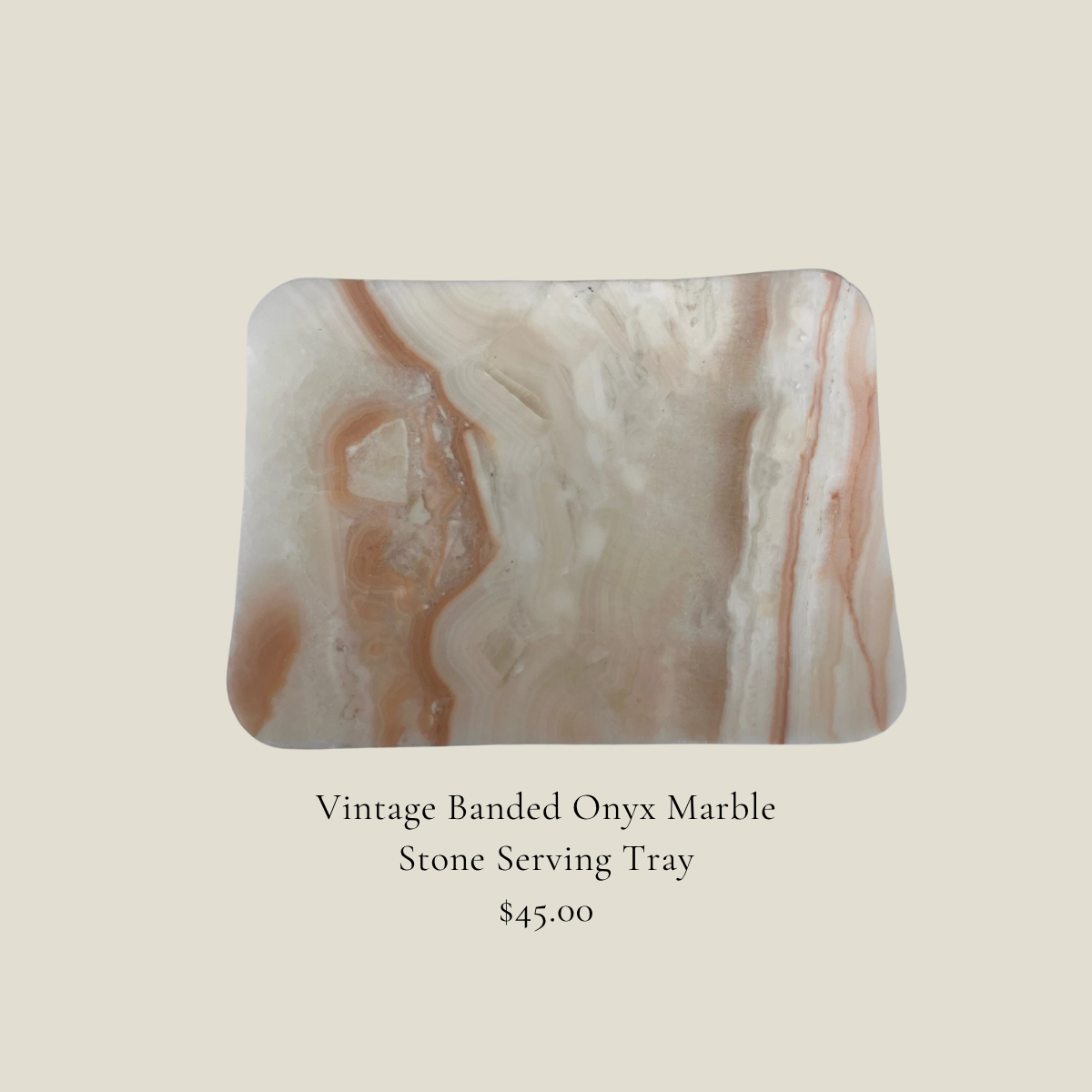
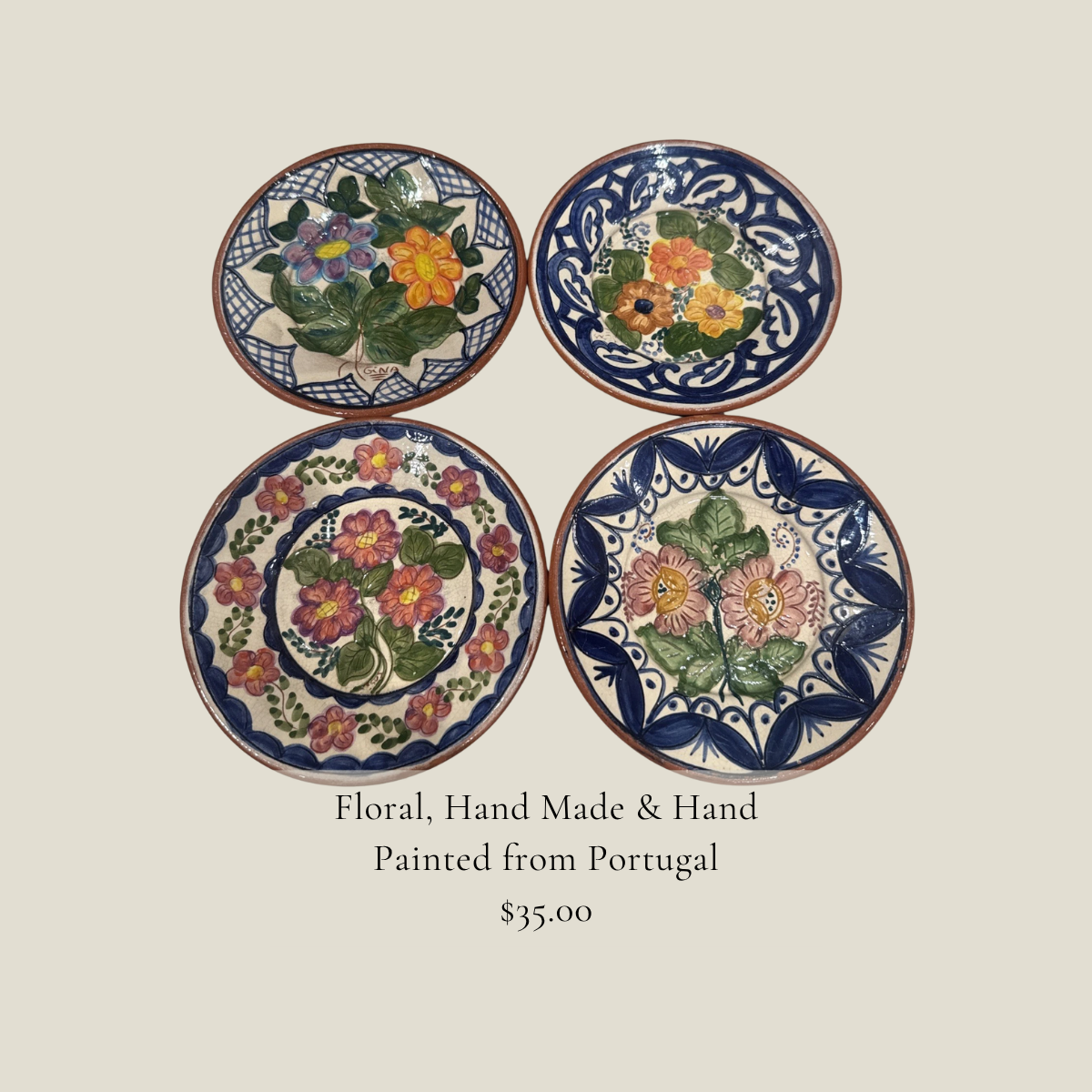
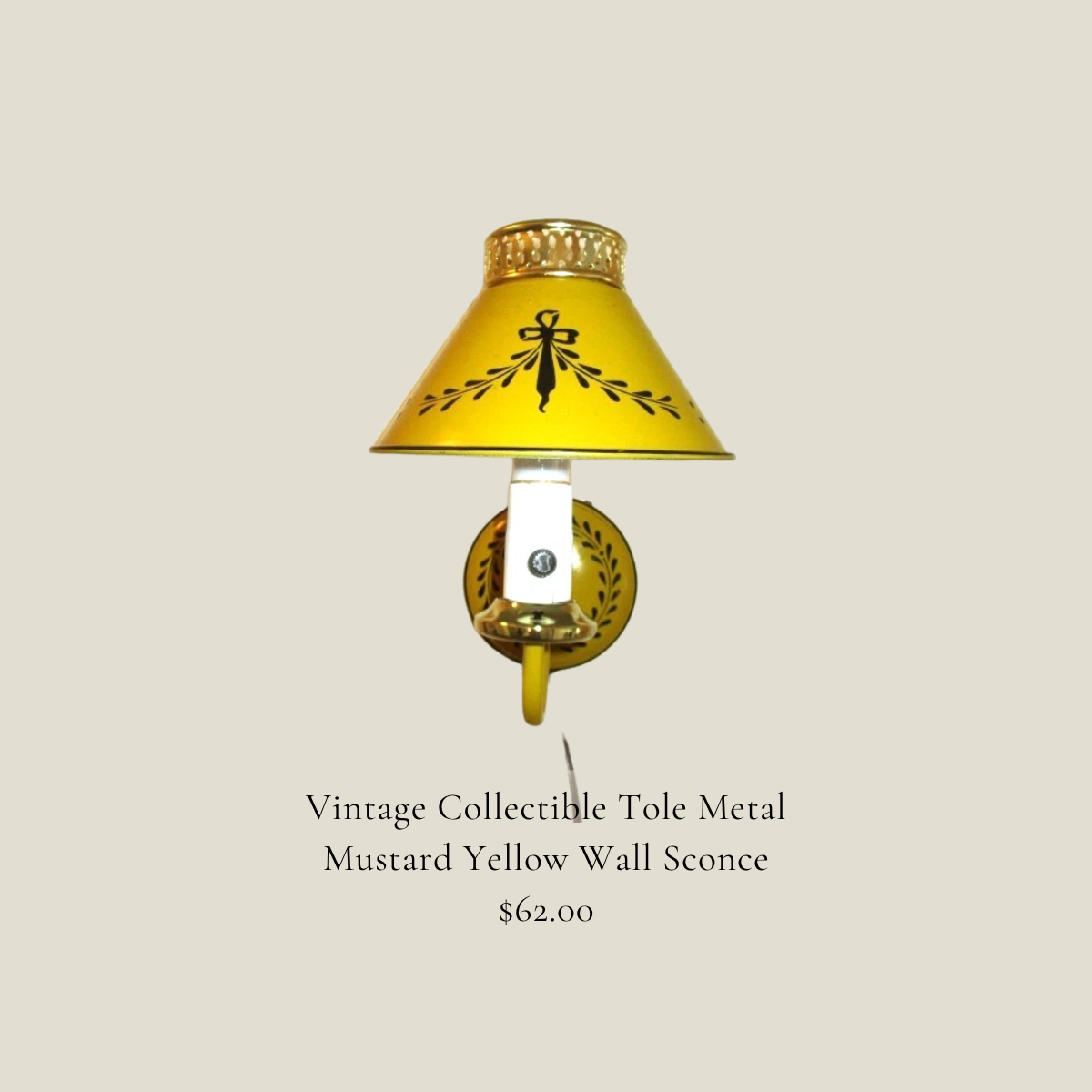
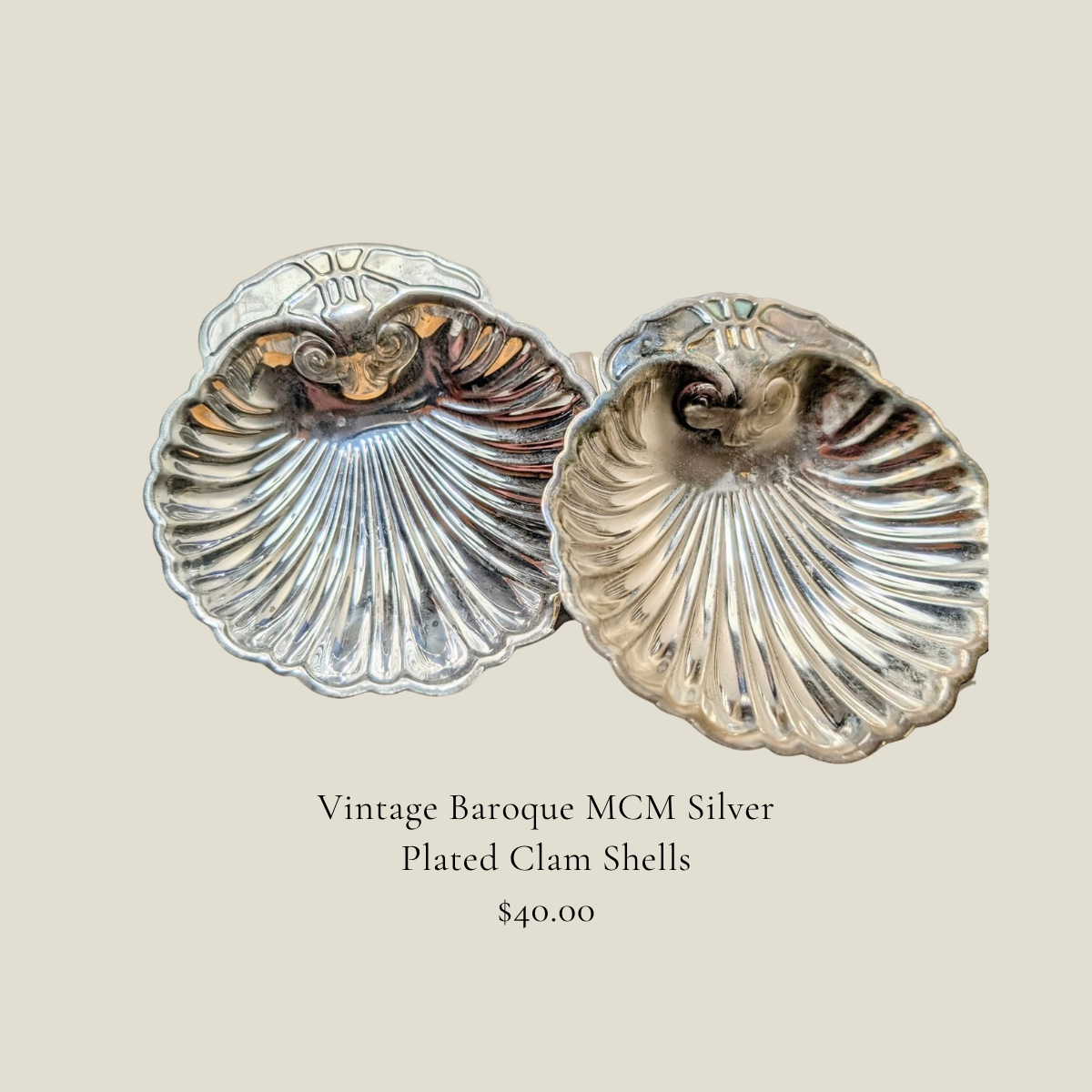
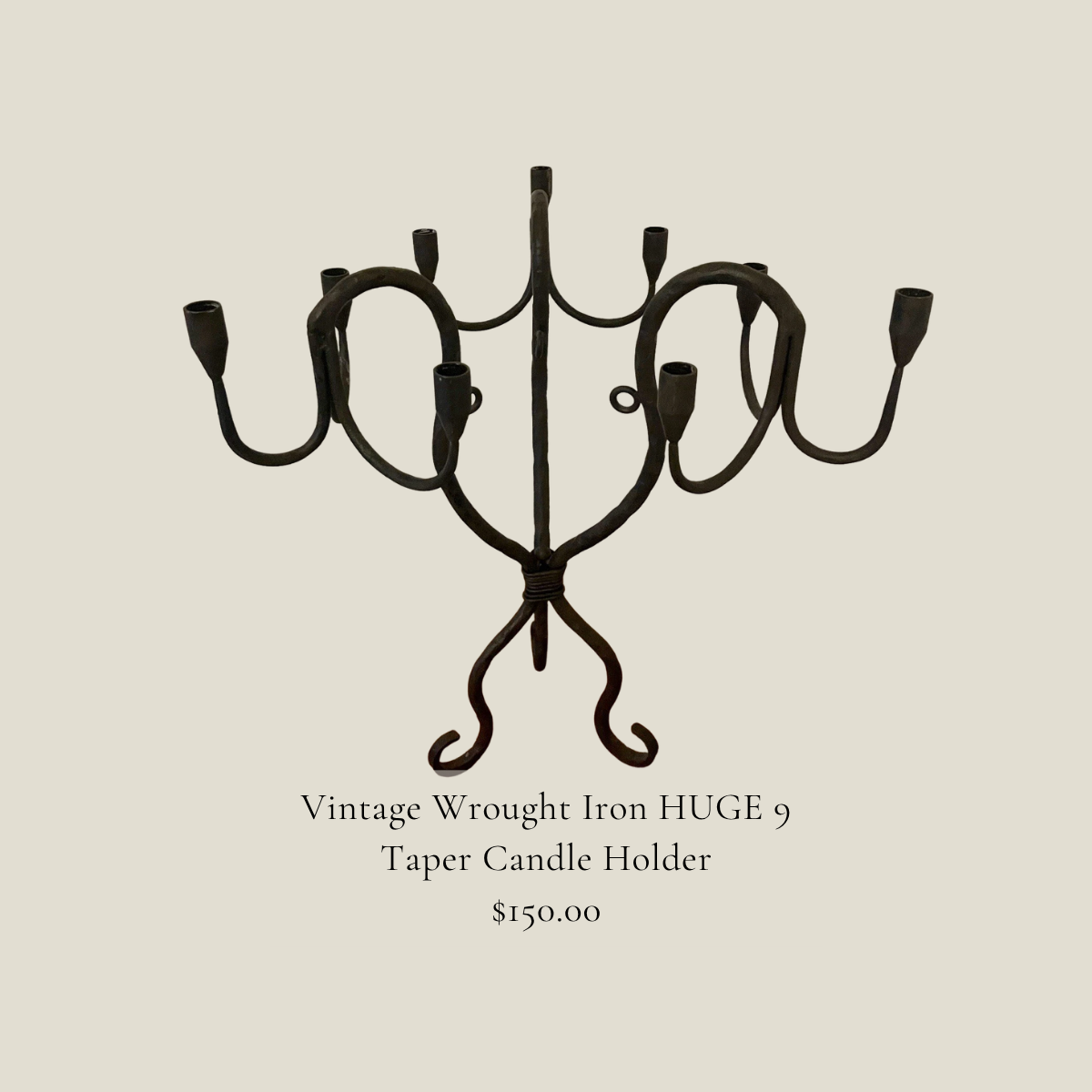
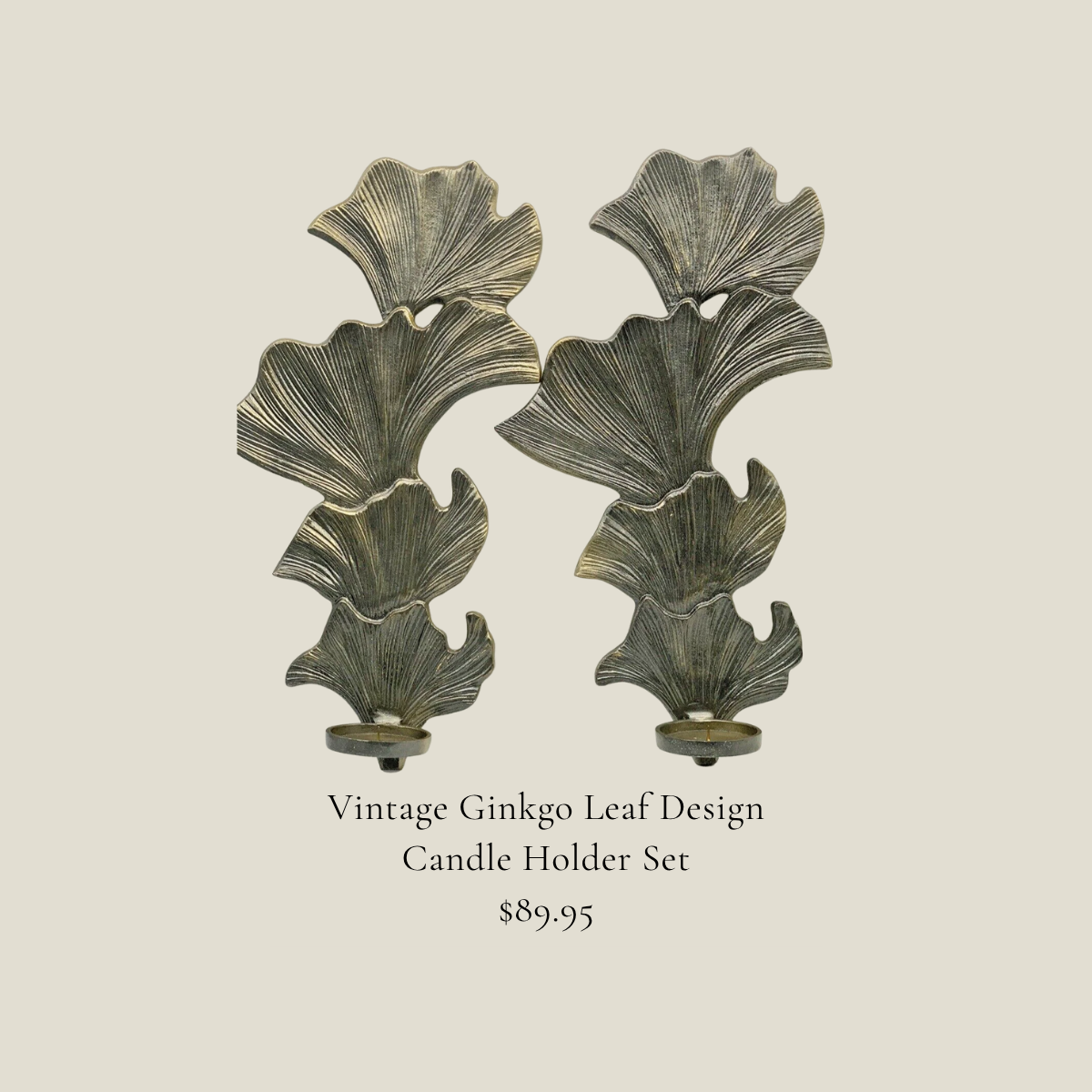
Current eBay saves:
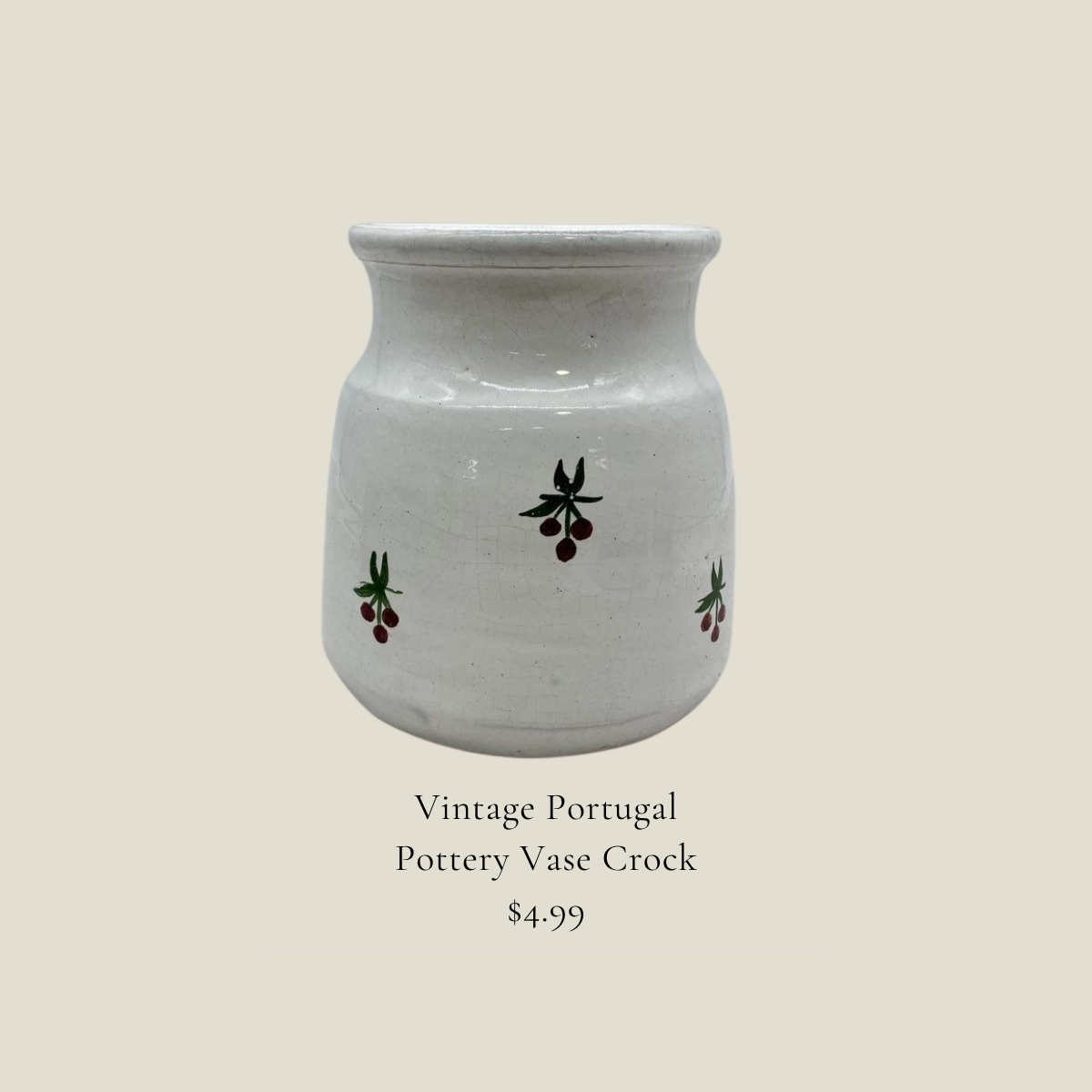
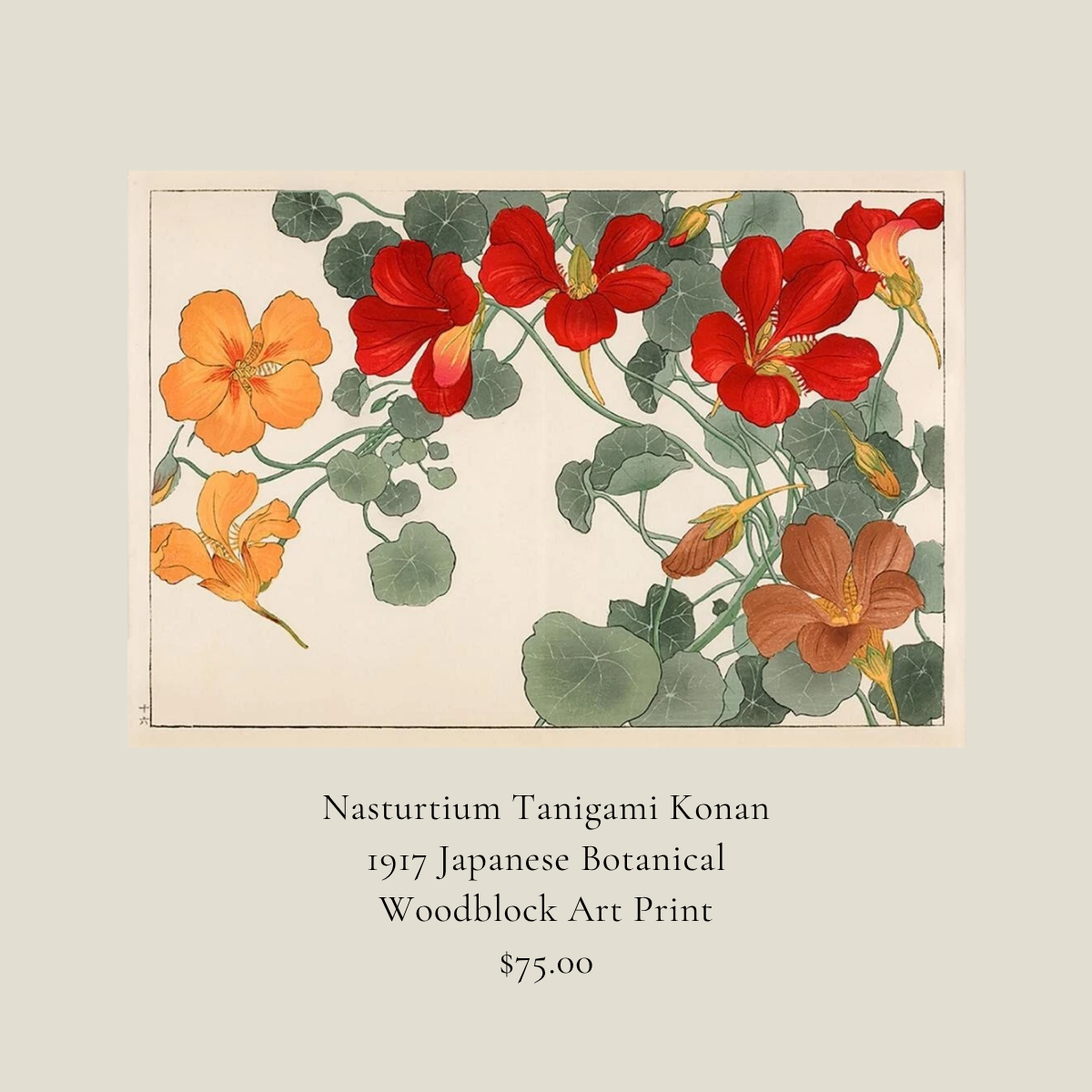
Etsy
Everyone knows Etsy, but most people aren't searching it right. The instinct is to type in a style, "mid-century modern chair" or "boho lamp," and that's where it goes wrong. You get flooded with new pieces made to look vintage, or results that have nothing to do with what you're actually picturing.
Search by material instead, and get specific. "Rattan," "cane," "unlacquered brass," "travertine," "burl wood," "wicker," "jute," "sisal," "carved wood," "hand-knotted" — these will take you somewhere much more interesting than a style keyword ever will. Era terms are equally powerful. "1960s," "Victorian," "Arts and Crafts," "Art Deco" used alongside whatever you're looking for will cut through the noise fast and surface the pieces with actual history behind them. The combination of a material and a decade is often the sweet spot. "Brass 1970s" will find you something far more interesting than "gold lamp."
You can also filter specifically for vintage items (20 years or older) under the item type filter, which helps enormously. Don't overlook the handmade filter either. Etsy is genuinely one of the best places to find artisans making things with real craft and intention, which fits right into the philosophy of buying less and buying better. And one small but important thing: sort by "most relevant," not "recommended." Recommended is the paid placement. Most relevant is the algorithm doing its actual job.
A few shops I keep coming back to, by category:
Furniture and larger vintage finds: VintagFurnitureFinds, RetroTaste, Redo1960, and LorisAtticDesign. The inventory turns, so check back often.
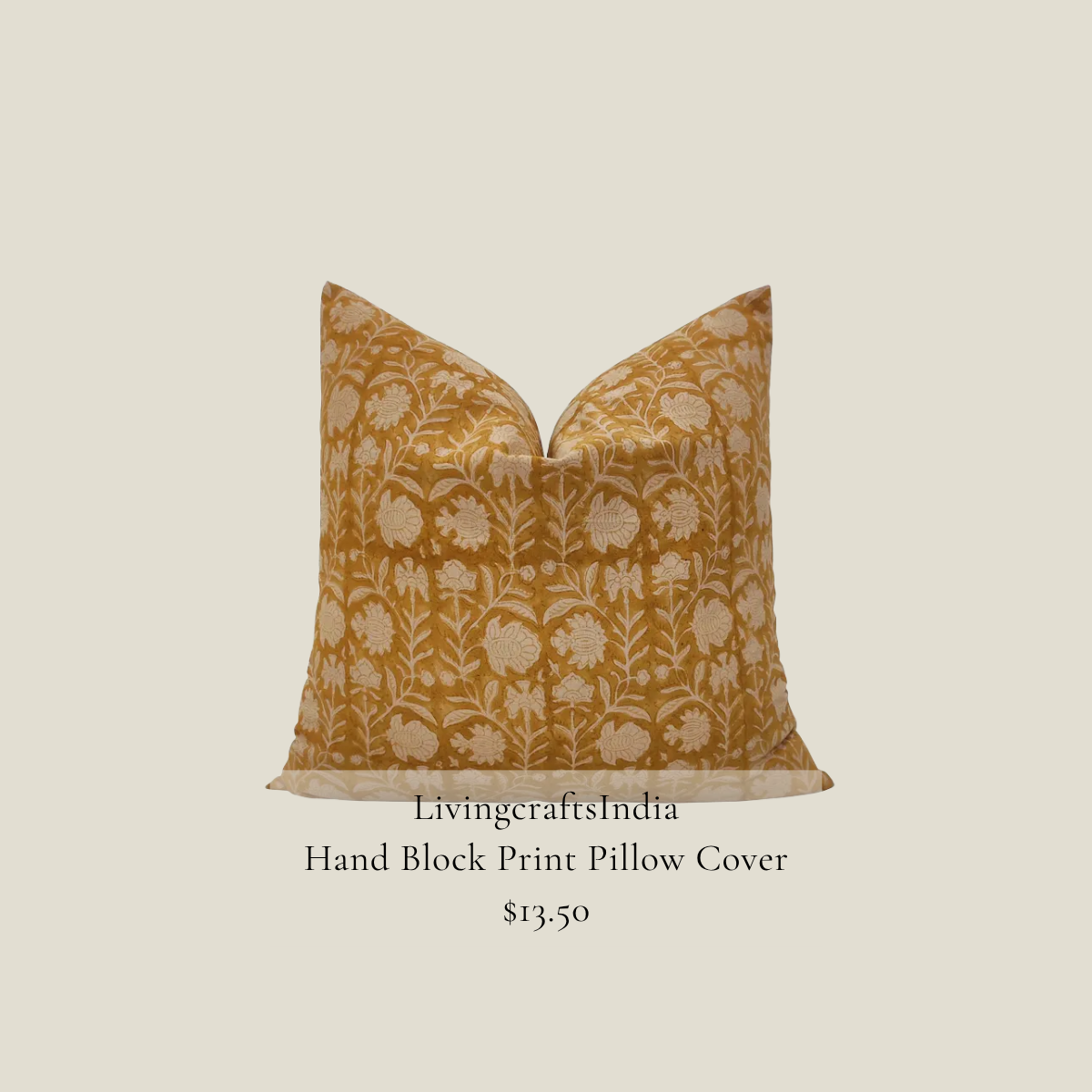
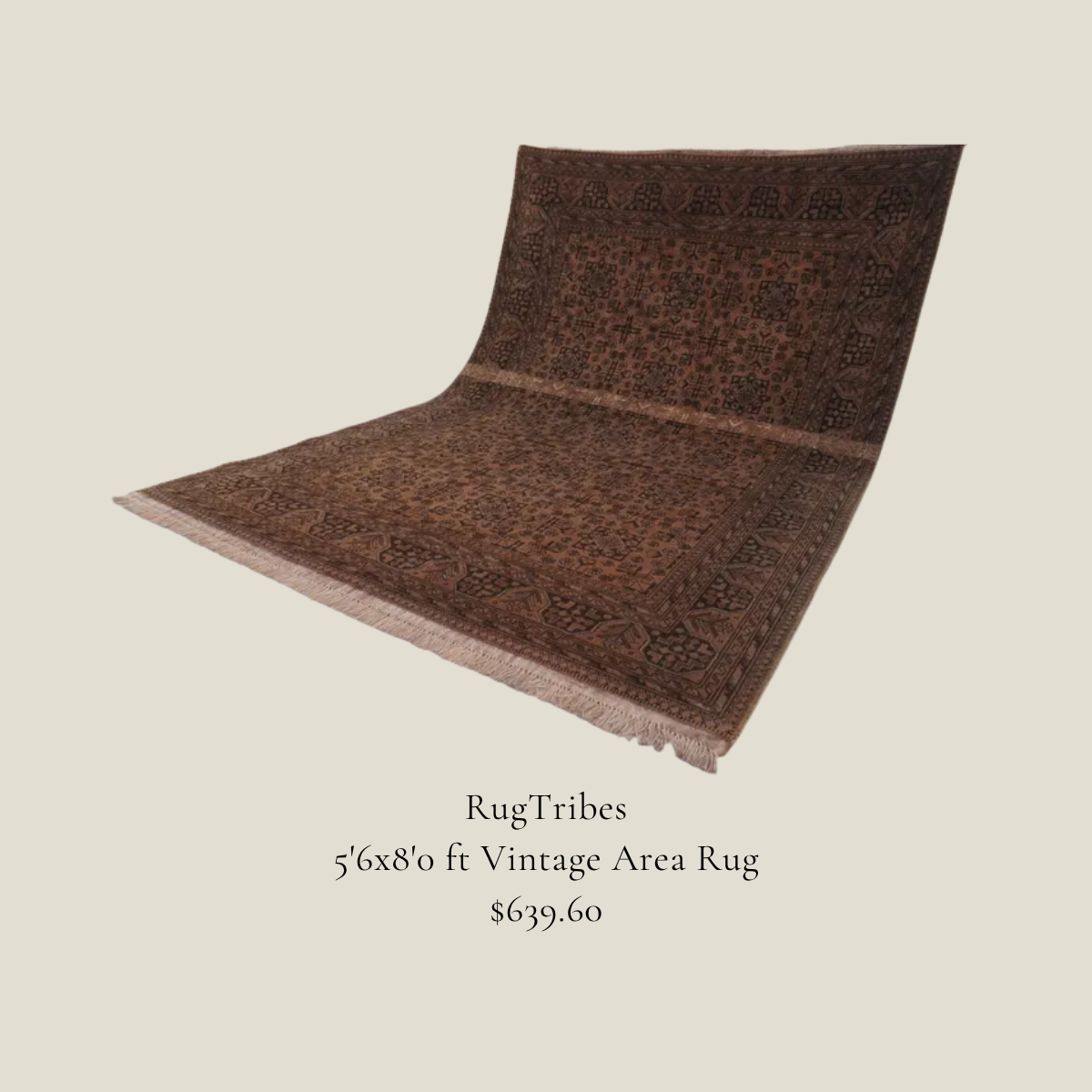
Rugs and tapestries: HouseofvintageByZey, RugTribes, and LivingcraftsIndia. A good vintage rug is one of the highest-return investments you can make in a space, and Etsy is a surprisingly great place to find them at reasonable prices. LivingcraftsIndia in particular is wonderful for handmade textiles and objects with real craft behind them.
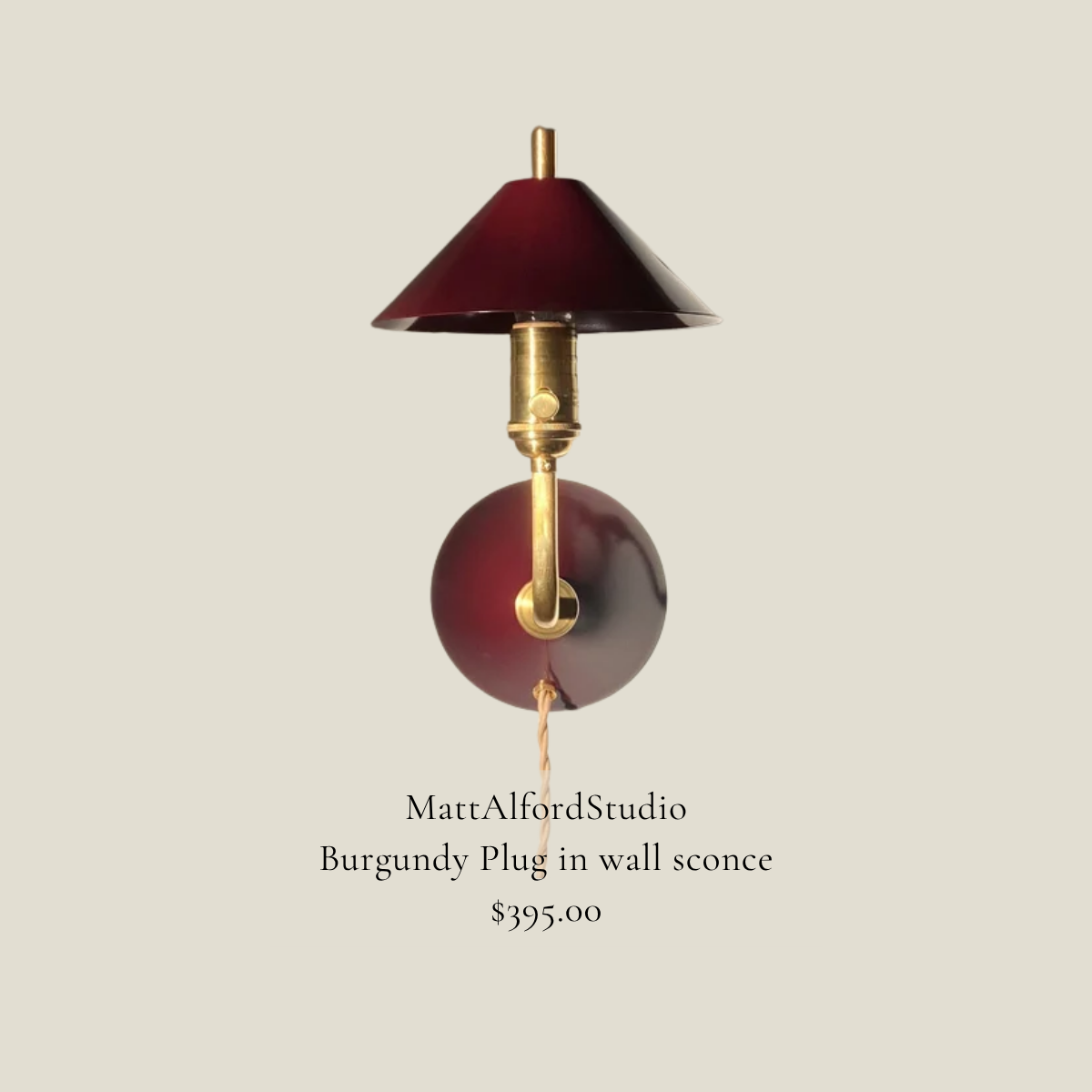
Lighting: ArelLighting and MattAlfordStudio. Lighting is one of those categories where vintage almost always wins over new, and both of these shops understand that.
Art and decorative objects: VintageLuShop and StandoutInterior. These are the shops I browse when I want something that feels considered and personal rather than mass-produced.
Etsy rewards patience and specific searching. Give it that, and it delivers.
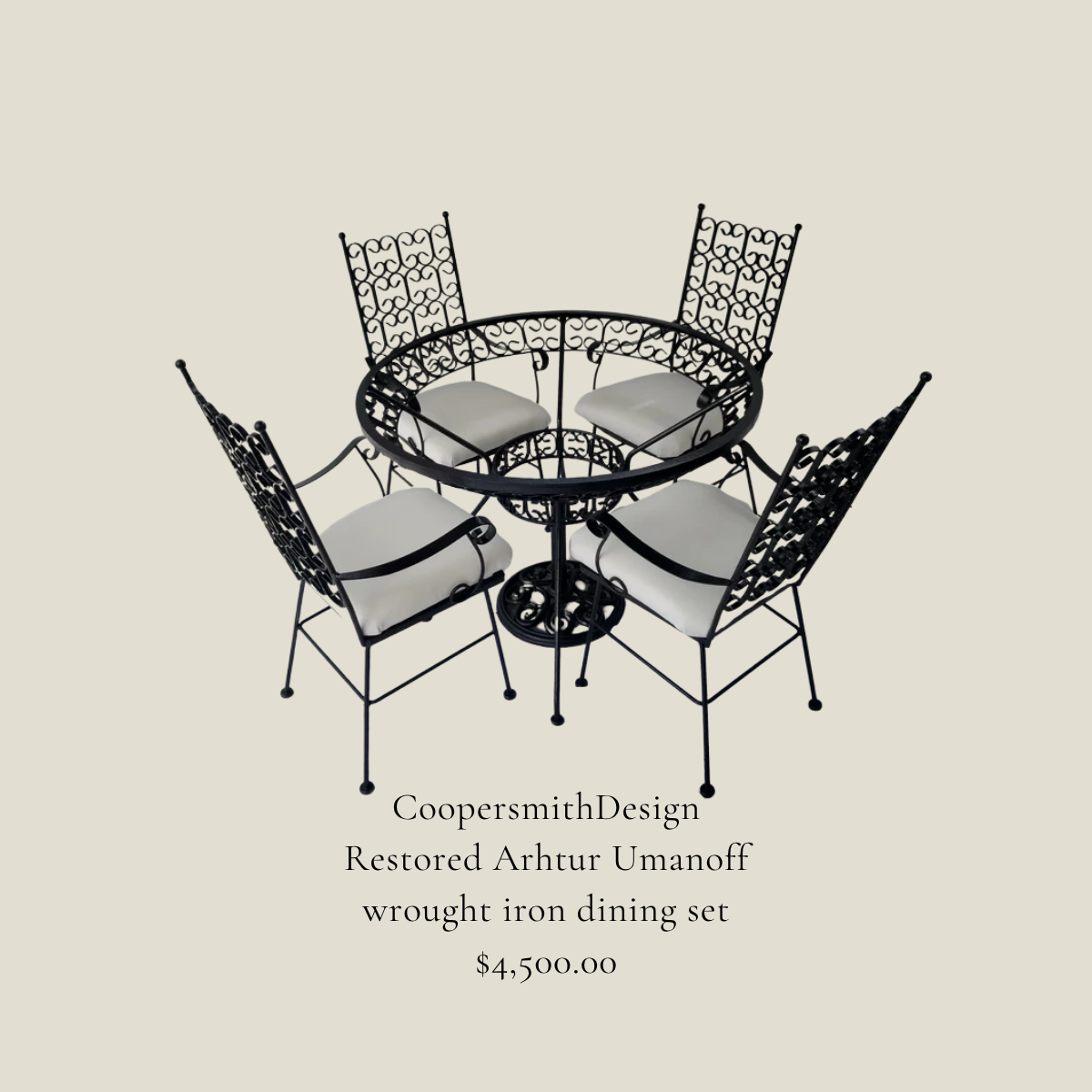
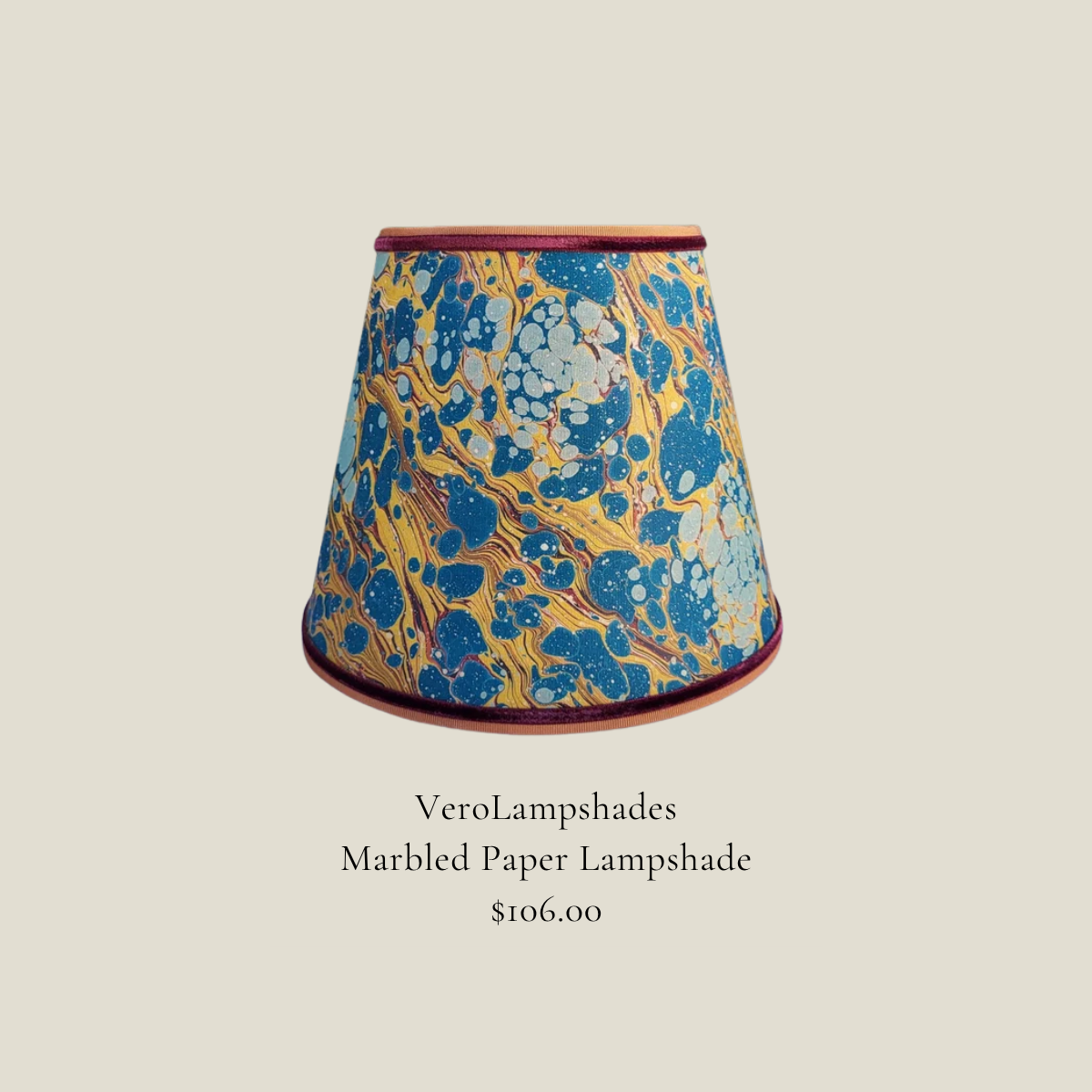
Current Etsy saves:
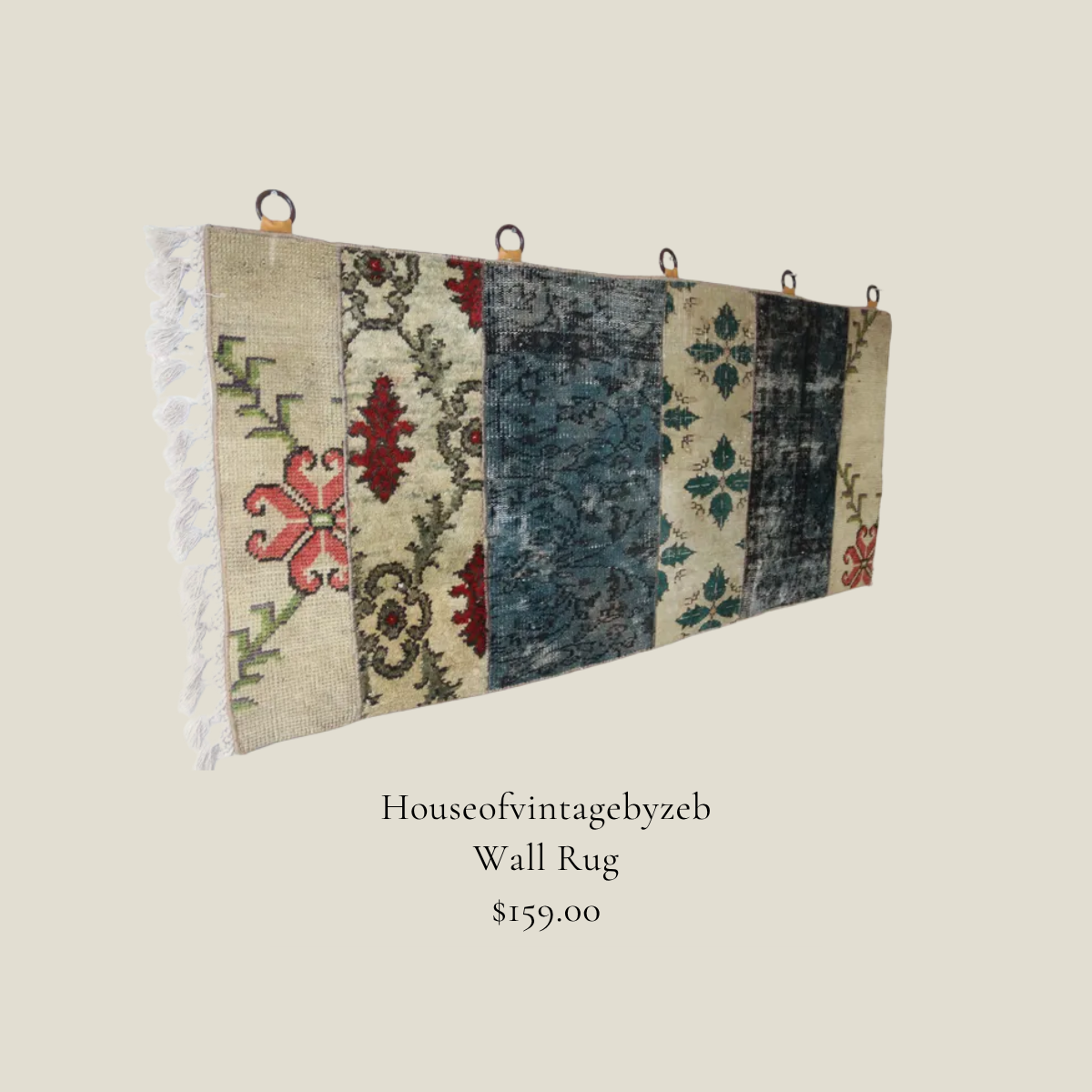
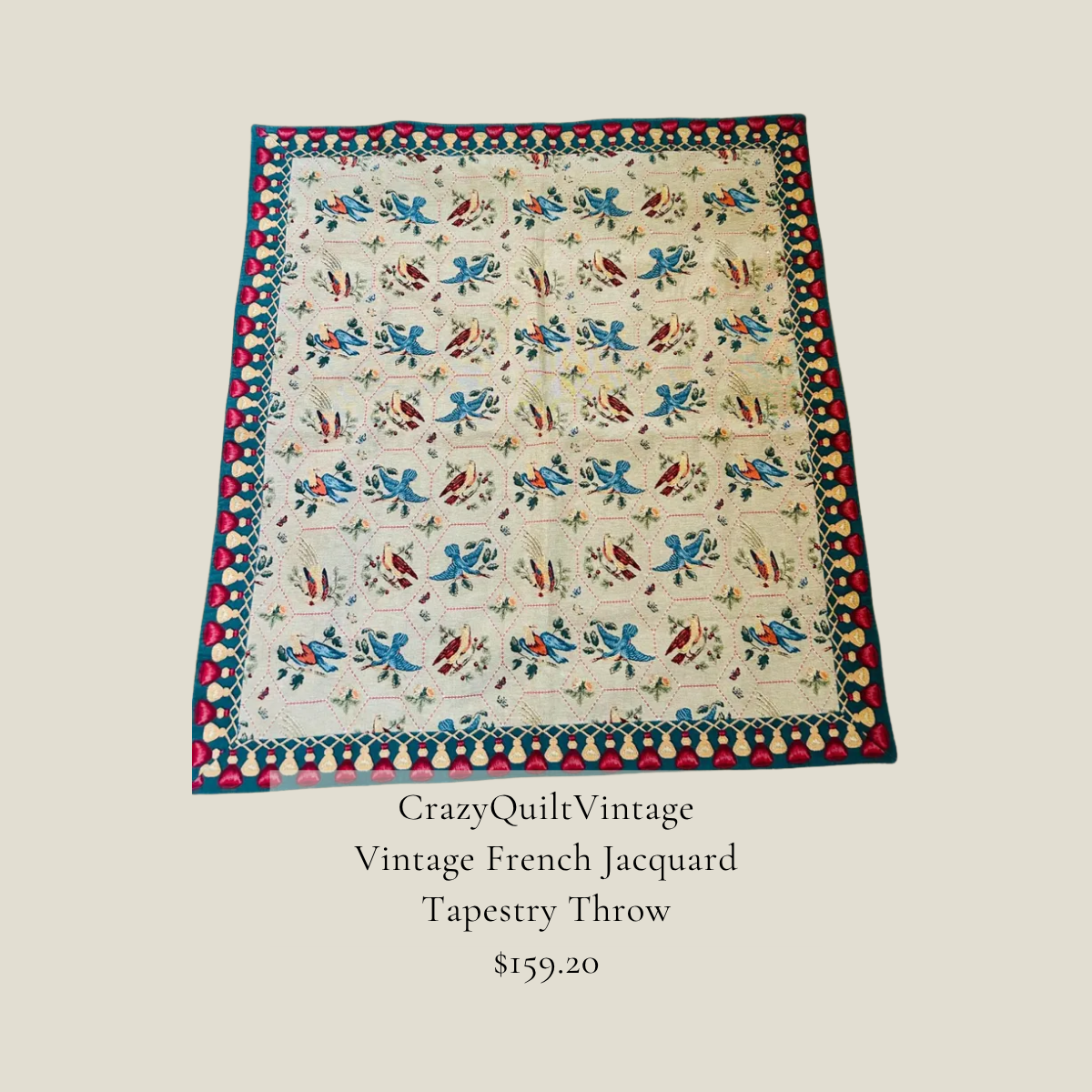
A note on the hunt itself:
Stay vigilant! Keep looking, and don't settle if you're searching for something specific. I spent months looking for outdoor furniture and eventually found a gorgeous wooden table for our patio and an outdoor sofa for our porch, both for absolute steals. Worth every week of waiting.
Which leads me to a bonus tip that I think about every fall: search off season. I started looking for those outdoor pieces in October, when no one else was thinking about patio furniture, and just picked them up last week. The selection was better, the prices were better, and I wasn't competing with anyone. Shop for holiday decor in January. Look for outdoor furniture in the fall. Buy the wool throw in April. The hunt is oh-so-satisfying, and the timing is half the strategy.
There is so much product already in the world! The best pieces are already out there, and there’s no better feeling finding something unique for your space. These items are in someone's estate, up for auction, sitting in an Etsy shop waiting for the right search term, or listed by a neighbor who just needs it gone. These platforms are where I go to find them.
Save this for the next time the itch hits, and happy hunting!!
